Call Me Miss Bee-Haven
The other evening, my husband and I were sitting out in the garden listening to the steady hum of bees drifting from bloom to bloom. The alliums were absolutely vibrating with bumble bees, the catmint was doing brisk business, and somewhere nearby a fat little carpenter bee sounded like a tiny motorcycle with opinions.
He looked around and said, “You’ve really created a bee haven here.”
Naturally, I replied, “You may now refer to me as Miss Bee-Haven.”
And honestly? I’ve decided to lean into it.
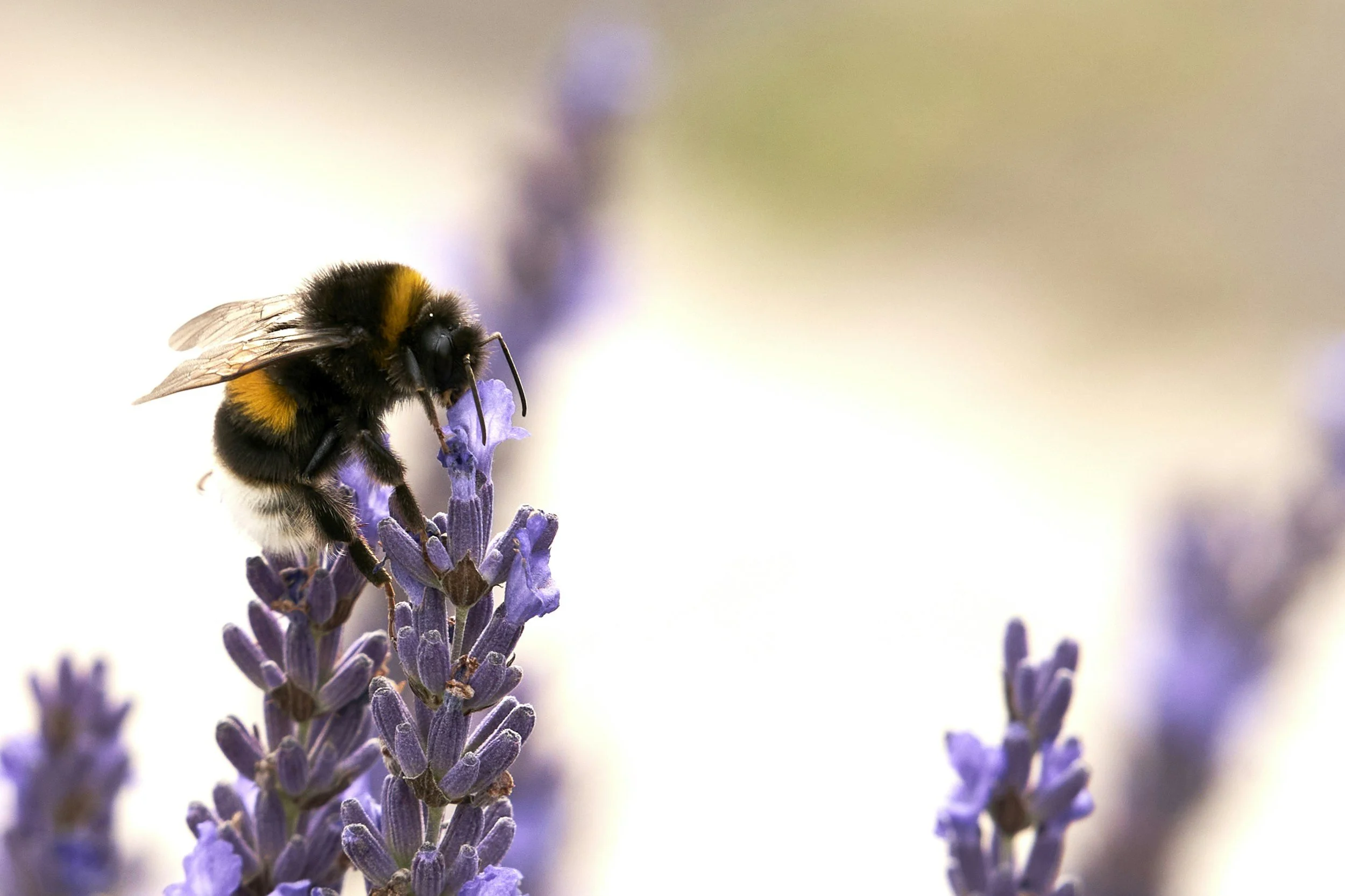
Because somewhere along the way, my garden stopped being just a collection of plants and became a living, buzzing ecosystem. One of the greatest joys of gardening is realizing that the garden isn’t really for us alone. We may plant it, weed it, and fuss over it—but the pollinators are the ones throwing the real parties out there.
A pollinator-friendly garden doesn’t have to be huge, perfectly designed, or magazine-worthy. It just needs to offer food, shelter, and a safe place for bees, butterflies, hummingbirds, and other beneficial insects to exist.
The secret? Plant generously and a little chaotically.
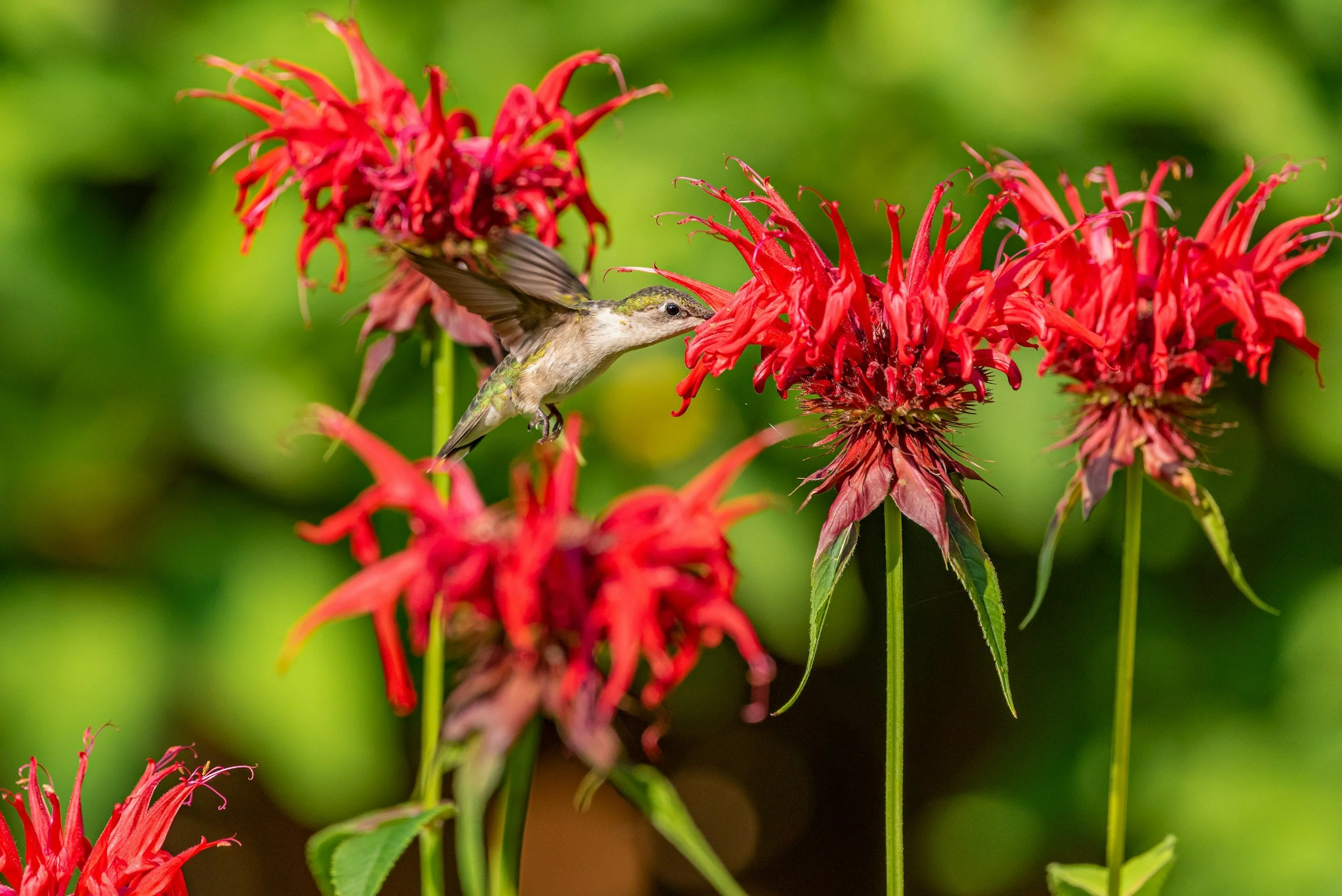
Pollinators love abundance. One lonely flower is nice. A big drifting patch of salvia, echinacea, bee balm, or allium? That’s a five-star resort.
I’ve noticed the bees especially love:
Alliums
Catmint
Coneflowers
Lavender
Bee balm
Asters
Sage
Black-eyed Susans
And if you let a few herbs flower? Oh, the bees lose their tiny little minds over that.
One of the best things you can do is make sure something is blooming from spring through fall. Early pollinators need food when they first emerge, and late-season blooms are critical before winter arrives. Your garden can become a sort of roadside diner for weary little workers making their rounds.
And here’s the other thing: perfection is overrated.
Pollinator gardens are allowed to be a little messy. Leave some stems standing. Let the leaves linger a bit. Don’t panic over every dandelion. Nature rarely thrives under strict micromanagement. The bees are not attending your garden to critique edging techniques.
What I love most is how a pollinator garden changes the feeling of a space. It becomes animated. Alive. The air moves differently when butterflies drift through it and bees hum lazily in the afternoon sun. You stop simply looking at your garden and start experiencing it.
So yes, perhaps I am Miss Bee-Haven now.
And frankly, if you plant enough flowers for the pollinators, you could be too. 🐝🌿
My Amazon Storefront is now open!
Check out my Top 20 Picks here!