How I Accidentally Turned a Sweet Potato Into a Side Hustle
This year, I decided to try growing sweet potatoes for the first time. Not fancy seed potatoes. Not certified slips. Just two sweet potatoes from the grocery store—one orange and one purple.
Sometimes gardening begins with a carefully researched plan.
Sometimes it begins with wandering through the produce aisle and thinking, "I wonder if this would work?"
This was definitely the second option.
Back in March, here in Zone 6b, I laid both sweet potatoes on their sides in trays of moist soil and tucked them into my grow tent. Then I waited.
And waited.
And waited some more.
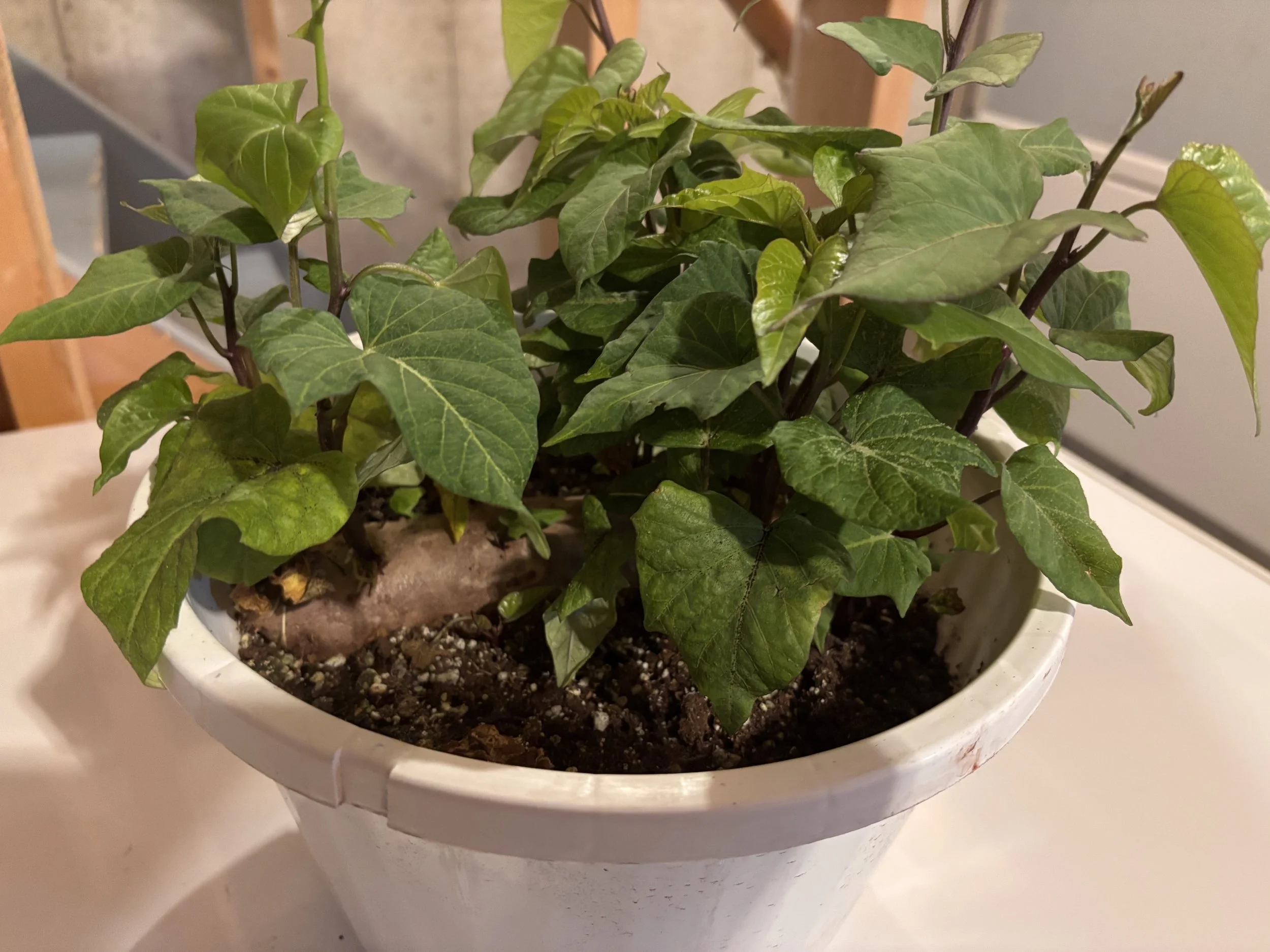
About six weeks later, the purple sweet potato finally decided to wake up and start sprouting. The orange one, meanwhile, contributed absolutely nothing to the project. It sat there like a decorative rock.
The purple potato, however, was making up for its lazy cousin.
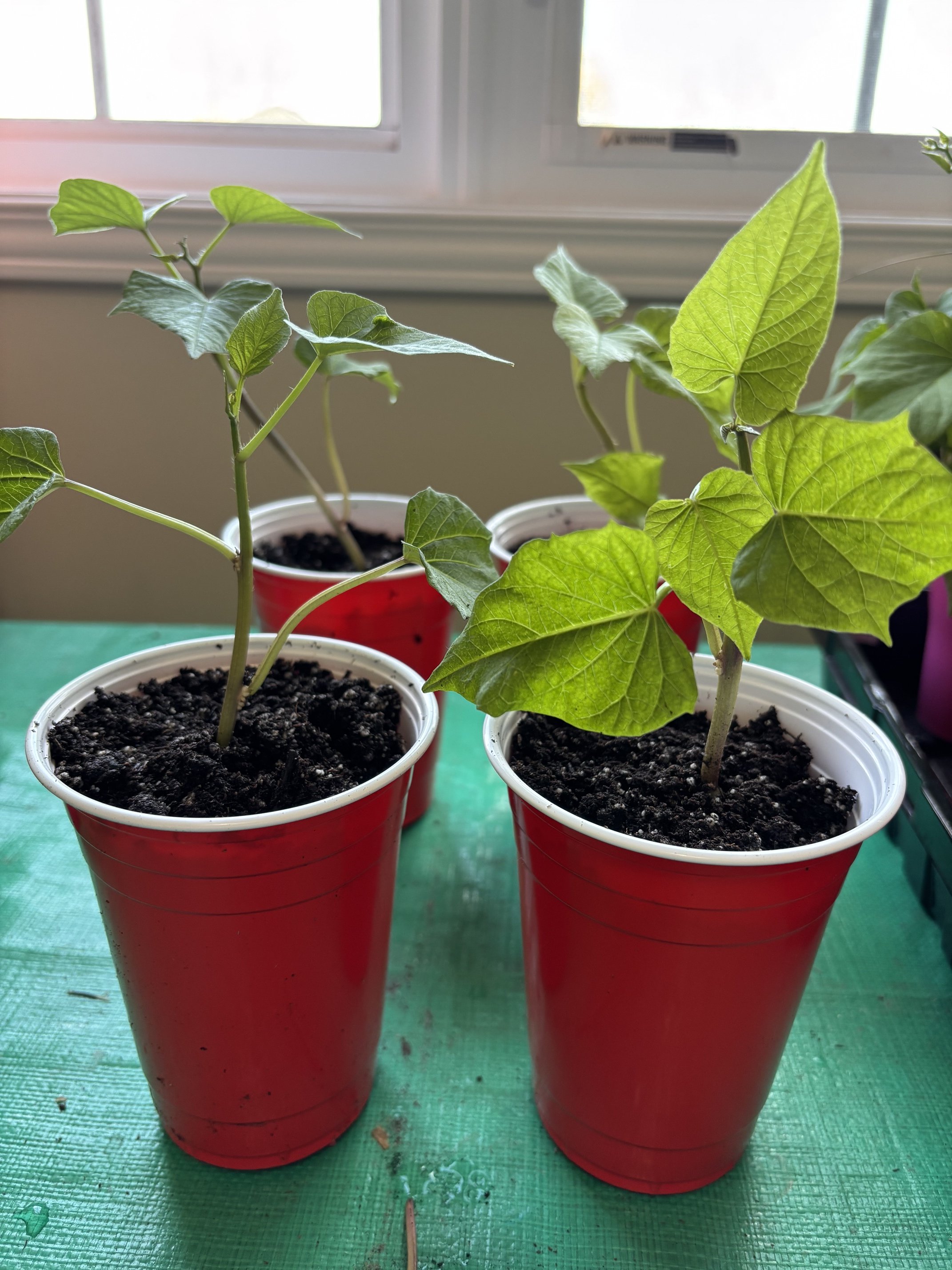
Soon it was producing slips—those leafy shoots that eventually become sweet potato plants. As the slips grew, I carefully twisted them off and rooted them in jars of water. Once they developed healthy roots, I potted them up into Red Solo cups filled with potting mix.
At first, I was thrilled.
Then I realized I had a problem.
One sweet potato was producing far more slips than I had room to grow.
My grow tent started looking less like a hobby and more like a sweet potato nursery.
So I did what any reasonable gardener would do.
I listed the extras on Facebook Marketplace.
To my surprise, they sold almost immediately.
Then I listed more.
Those sold too.
Before long, I had a steady stream of local gardeners stopping by to pick up sweet potato slips. Apparently I wasn't the only person interested in growing sweet potatoes this year.
Gardeners love a bargain, and apparently there are plenty of people who want to grow sweet potatoes but don't want to wait six weeks for slips to appear.
The sales added up surprisingly quickly. In fact, I made enough money selling slips to pay for all of my compost, all of my soil, and even a few new 30-gallon grow bags for the season.
Find it now:
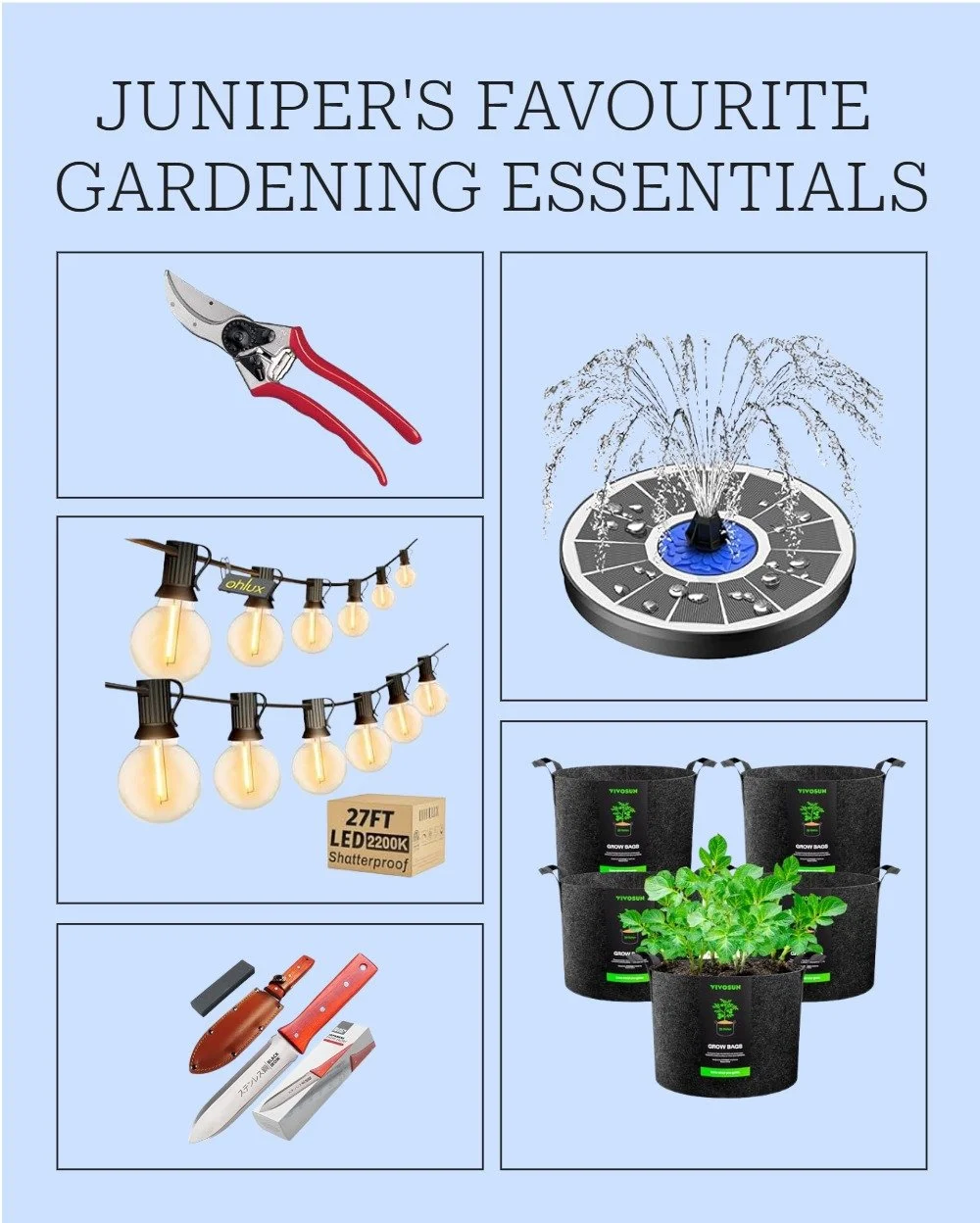
This is the 30 gallon grow bag that I’ll be using for my sweet potatoes this year! https://amzn.to/4uMBCDP
Not bad for a vegetable that started as a grocery store experiment.
So in a strange twist, my sweet potatoes essentially funded themselves and then picked up the tab for many of my other veggies!
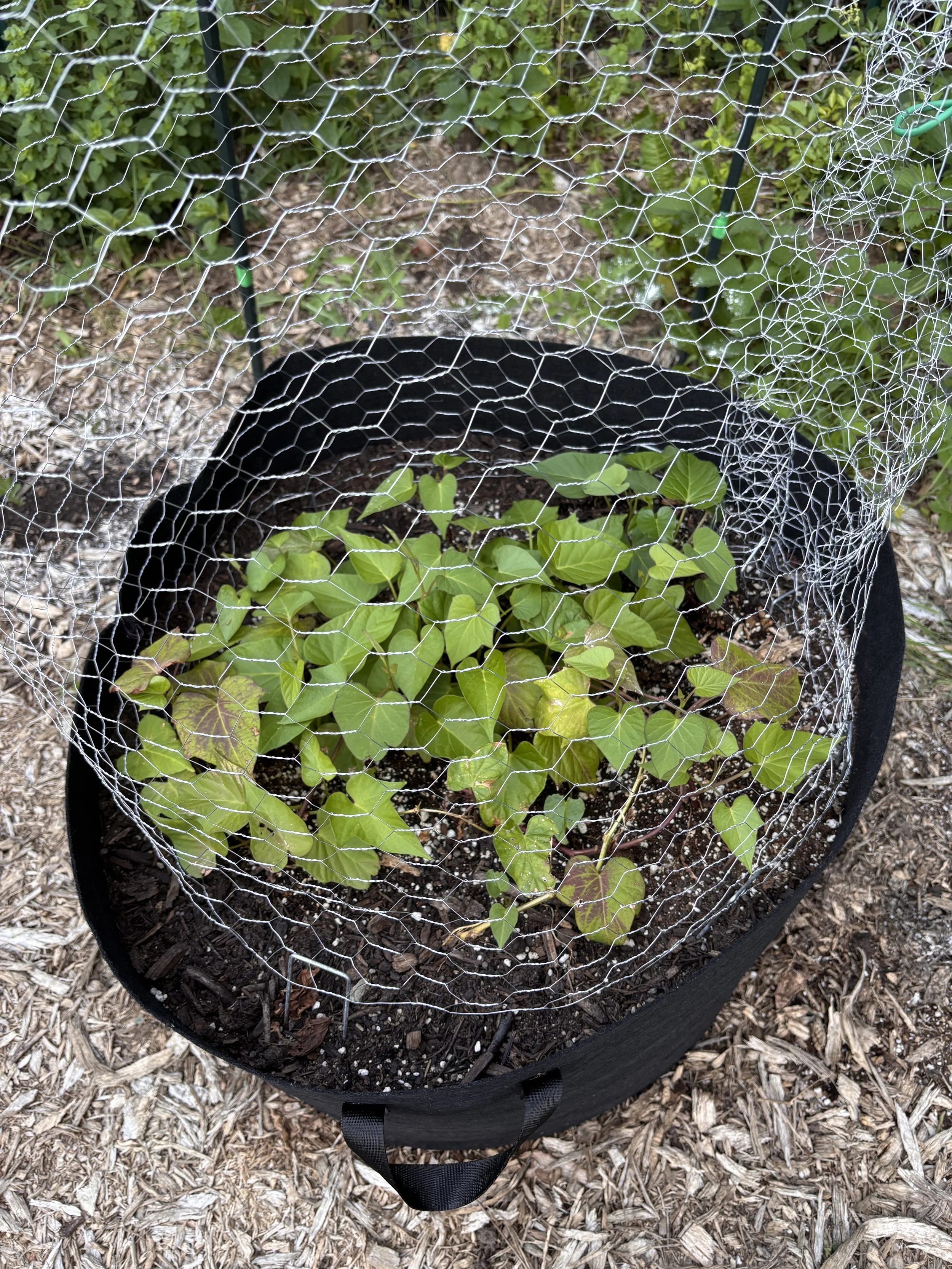
Now those slips are no longer living in Solo cups. They're out in the garden growing in what can only be described as a big-ass grow bag.
Sweet potatoes need a long growing season, warm soil, and a bit of patience. Luckily, grow bags warm up quickly and give the roots plenty of room to spread out and form tubers.
At least that's the theory.
The reality is that right now I have a giant bag full of attractive vines and absolutely no idea what's happening underneath.
That's part of the fun.
Growing sweet potatoes feels a little bit like gardening with a mystery box. You spend months watering and waiting without any real clue what's developing below the soil surface.
Then one day in the fall, you dump out the bag and discover whether you've grown a handful of sweet potatoes or enough to make Thanksgiving dinner for the entire neighbourhood.
Will I get a great harvest?
I honestly don't know yet.
But even if the yield is disappointing, this experiment has already been a success. I've learned something new, met other gardeners through Marketplace, and somehow turned one purple sweet potato into free gardening supplies.
That's a pretty good return on investment.
And if I end up with a mountain of sweet potatoes this fall?
Well, that's just a bonus.
I'll keep you posted.
Just a little heads up, garden friends 🌿 — if you purchase through one of my links, I may earn a small commission at no extra cost to you… which mostly goes toward funding my entirely reasonable plant addiction. 💚
My Amazon Storefront is now open!
Check out my Top 20 Picks here!