Small Garden, Big Opinions: Designing Tiny Spaces Without Turning It Into a Plant Storage Problem
Small gardens are where optimism meets reality in a very confined square footage. They’re also where you discover that you do not, in fact, have room for 14 different “must-have” perennials, no matter what the garden centre tries to tell you while you’re holding a basket and making questionable life choices.
But the good news? Small spaces can be absolutely gorgeous. They just require intention… and occasionally someone to gently take a plant out of your hands and say, “no, Juniper, you do not need another ornamental grass for a space the size of a welcome mat.”
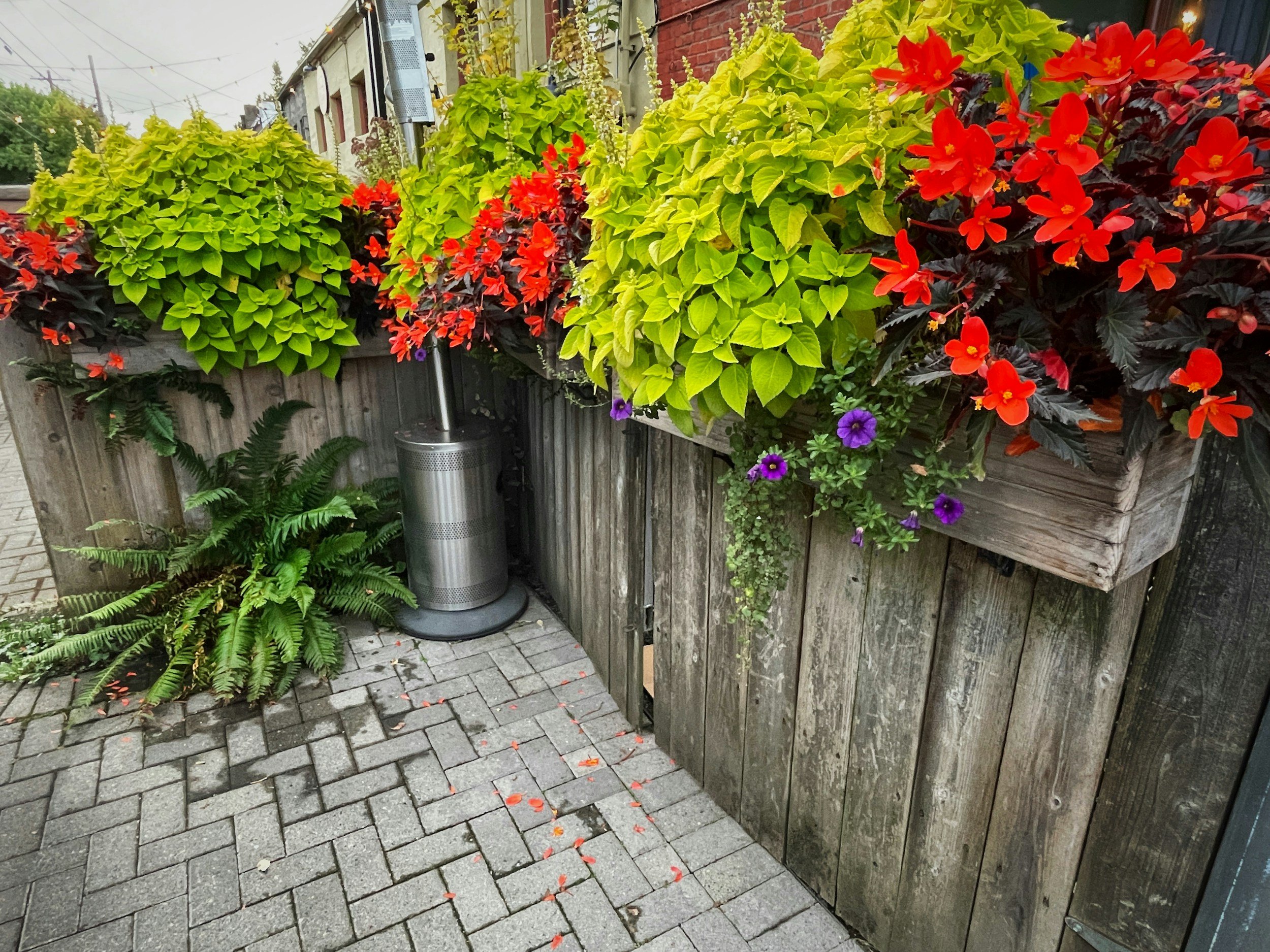
Start with the vibe (before the plant-induced decision fatigue kicks in)
Decide what you want the space to feel like: calm retreat, pollinator haven, cozy evening hangout, or “slightly overgrown but charming and on purpose.”
Because if you don’t decide, the garden will decide for you. And it will choose chaos. It always chooses chaos.
Think layers, not flat ambition
A small garden that’s all one height is basically a visual parking lot.
Instead, build layers:
Ground:low plants, mulch, or stepping stones
Middle: perennials, herbs, grasses doing the main work
Top: climbers, small shrubs, vertical structure
You’re not filling space — you’re building depth. There’s a difference, even if your shovel disagrees.
A cautionary tale from my own “tiny space” phase
I once worked on a narrow side yard that was maybe wide enough for a wheelbarrow if you exhaled strategically. I confidently told myself it would be a “simple, elegant shade garden.”
By the end of the first hour, I had added ferns, hostas, a climbing hydrangea, and a decorative bench I absolutely had to “visualize in place.”
At some point I stood back, got caught in a vine I had just planted, and realized I had essentially built a green hallway that I could no longer walk through without apologizing to the plants.
It looked beautiful. It was also technically a trap.
That was the day I learned: in small spaces, enthusiasm needs boundaries.
Add vertical structure (because walls deserve hobbies too)
Fences and walls are not “edges.” They are opportunities.
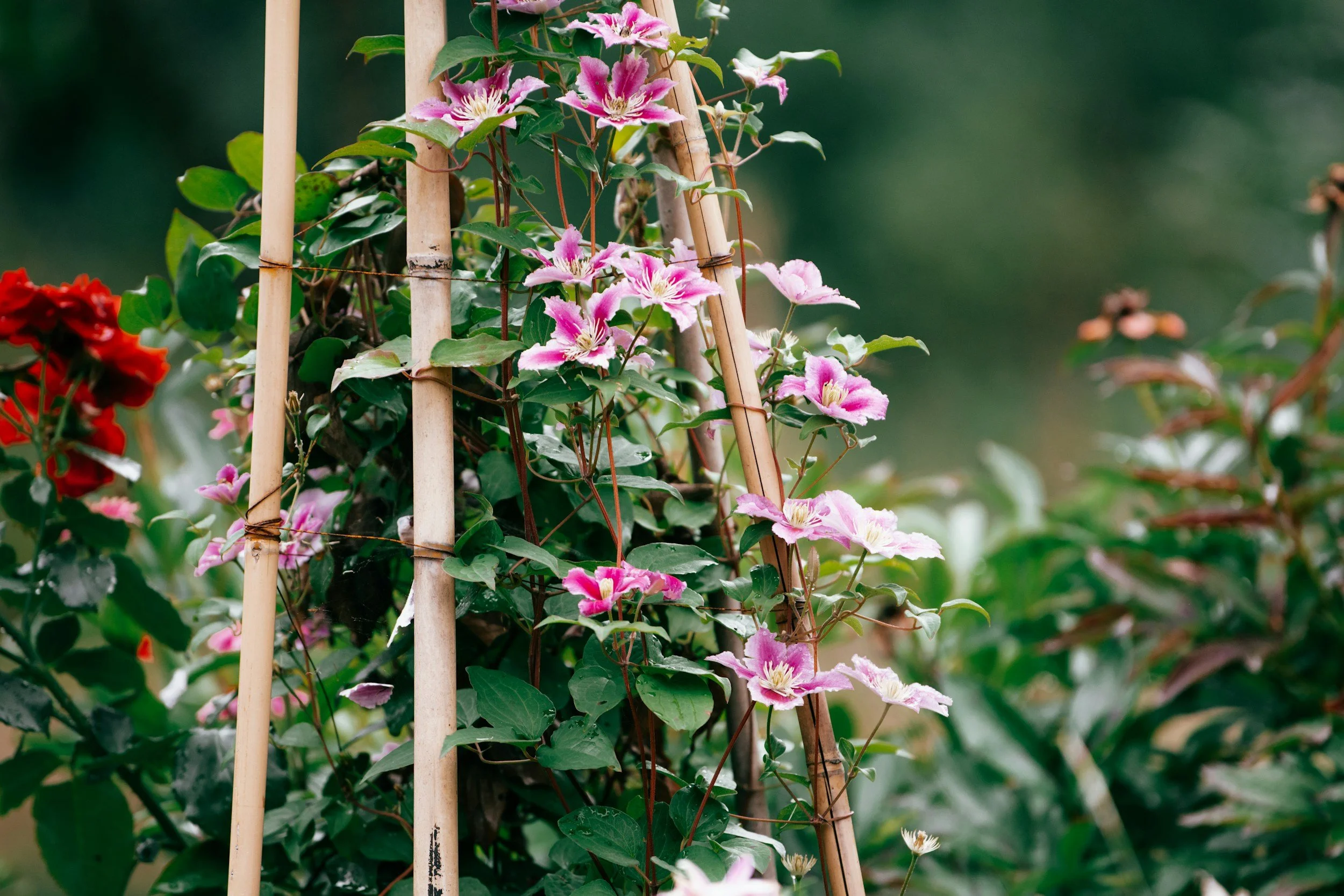
Trellises, climbing plants, and vertical planters turn a flat space into something that feels designed instead of “I planted things and hoped for the best.”
And yes, it is completely normal to start looking at every vertical surface as a potential growing opportunity. Slightly unhinged? Maybe. Effective? Absolutely.
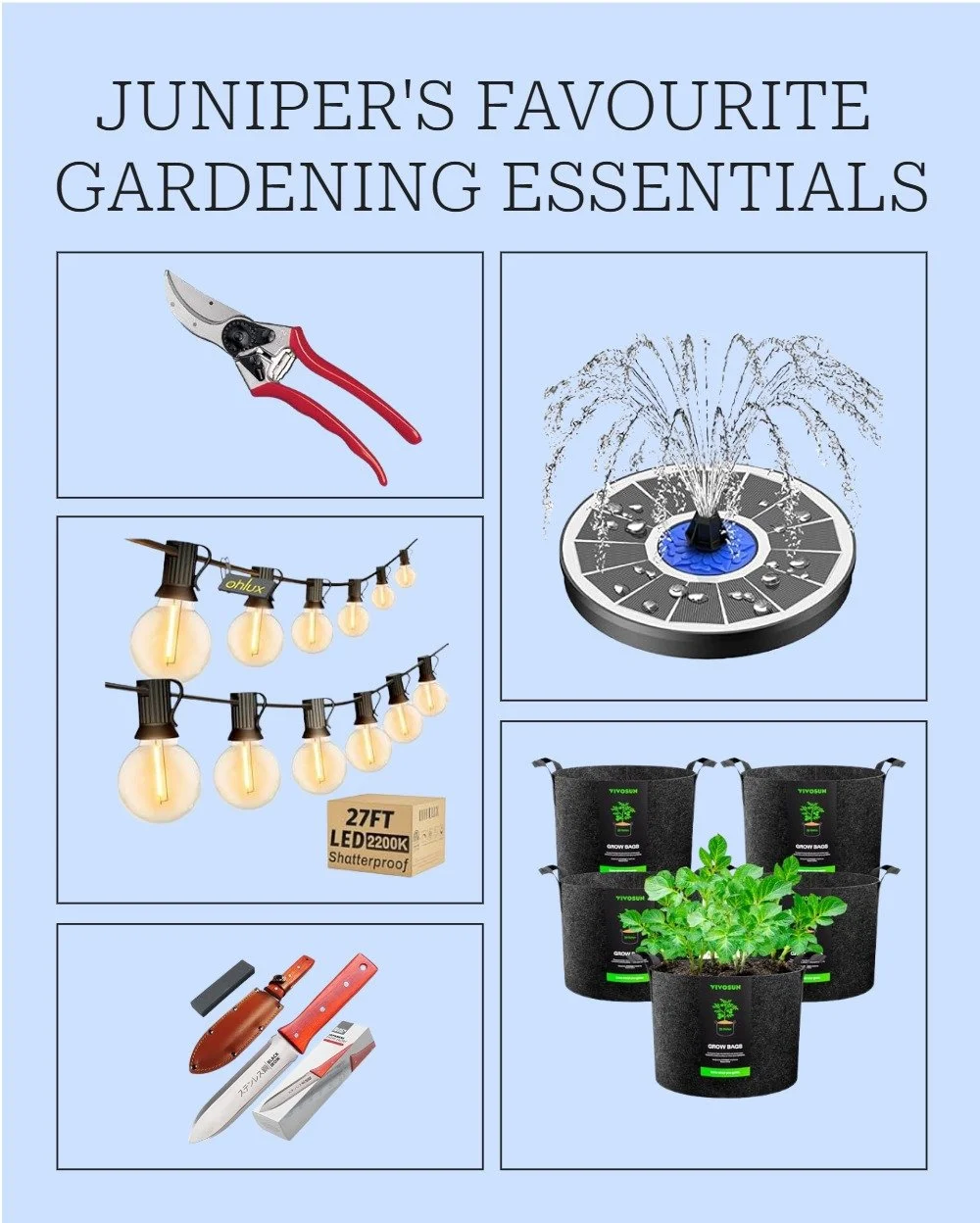
Strategically placed, a tall obelisk trellis like this one with some flowering vines can look very classy: https://amzn.to/3RzeLgD
Water features: instant calm, small footprint
If there is one thing that can make a tiny garden feel like a retreat, it’s water.
A small fountain or bubbling urn adds sound, movement, and the illusion that your life is significantly more serene than it was five minutes ago when you were arguing with a clump of sod.
Bonus: birds will arrive immediately like you’ve opened a luxury spa. Very validating.
This is the solar fountain that I currently have in my own garden: https://amzn.to/4fjdKDg
Garden lights: because the magic doesn’t end at sunset
Lighting is where small gardens really cheat in the best way.
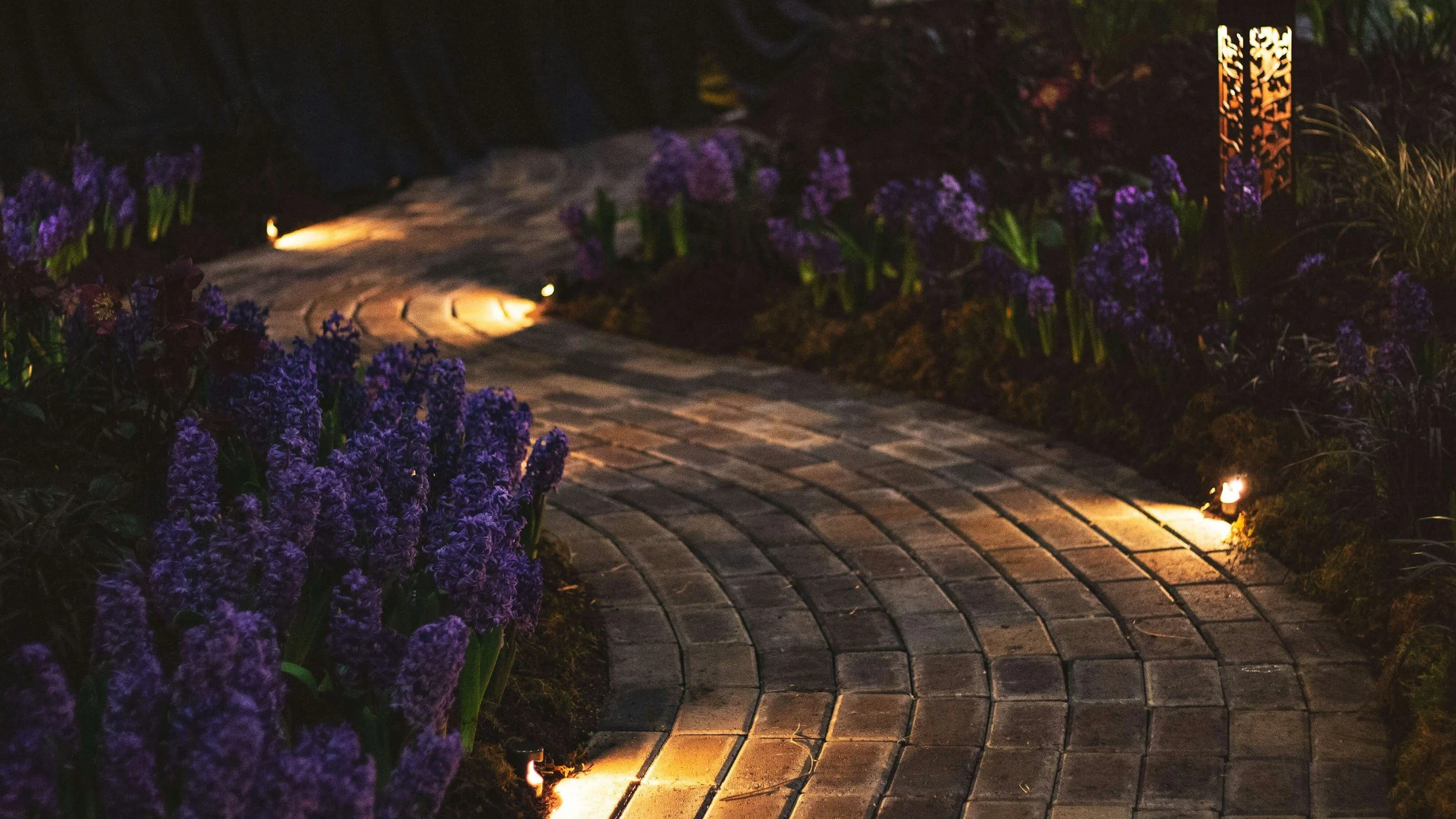
Soft solar lights or simple string lights can turn “functional backyard” into “enchanted evening space” with almost suspicious ease.
Also, they reduce the chances of stepping on a watering can at night, which I consider a community service.
These simple solar string lights along the top of a fence look magical: https://amzn.to/3PdzEgQ
Shepherd’s hooks: the quiet overachievers
Shepherd’s hooks are one of the most underrated tools in small gardens.
They let you:
Hang baskets without sacrificing ground space
Add bird feeders (for unexpected entertainment)
Suspend lanterns or lights
Create vertical interest without building anything permanent
They’re basically the garden equivalent of “we’ll just hang it here and see what happens,” which is a very valid design strategy.
Choose plants like you’re hiring a very small, very opinionated team
Every plant should have a job:
Looks good most of the season
Doesn’t require constant intervention
Does not attempt a hostile takeover of the entire property.
In small gardens, freeloaders and aggressors are equally unwelcome.
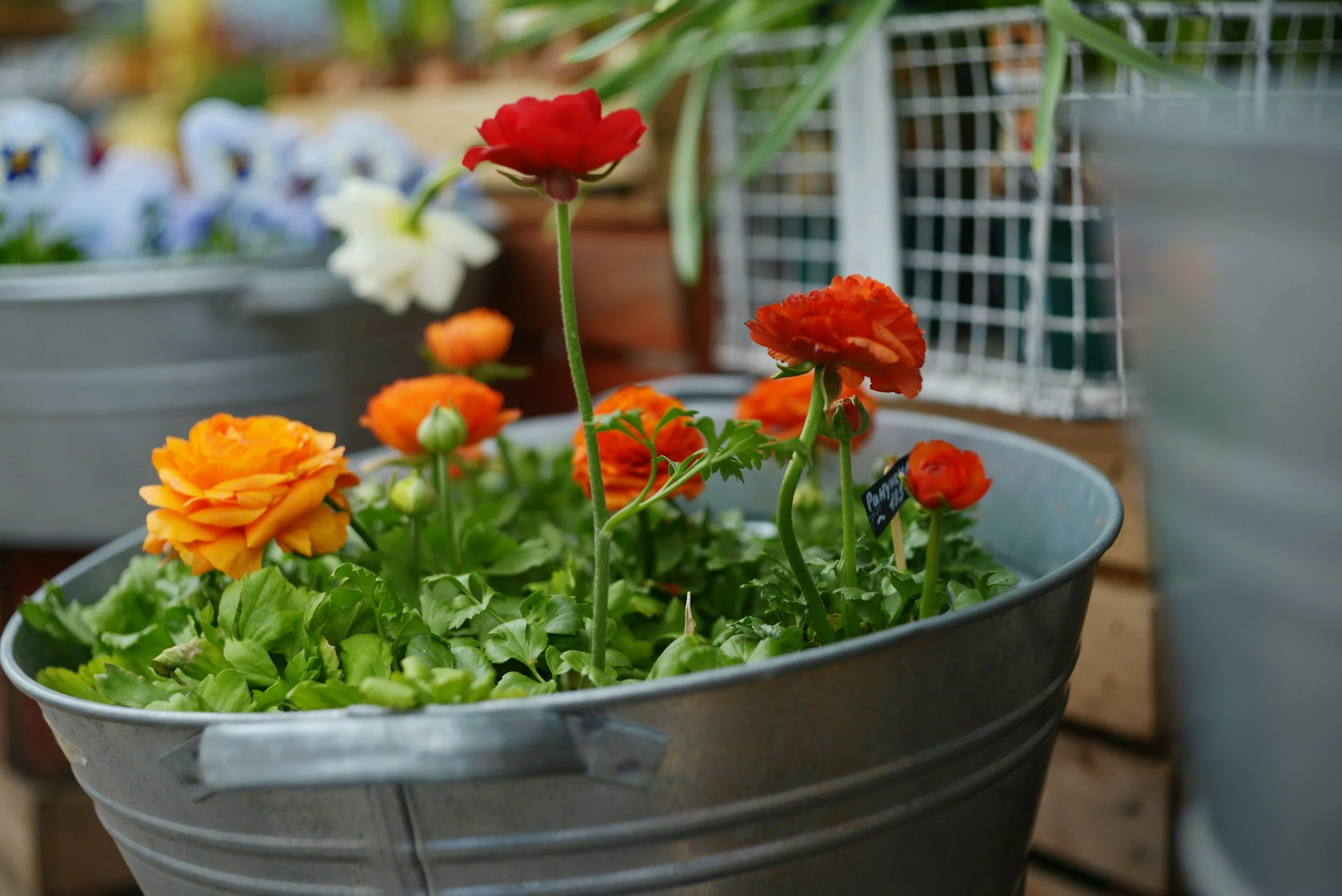
Containers: your permission slip to change your mind
Pots are how you redesign your garden without digging anything up and pretending it was intentional.
They’re flexible, forgiving, and very good at hiding your “I changed my mind” moments.
Final thought
Small gardens aren’t about limitation. They’re about editing.
When you combine layered planting, vertical structure, water for calm, lights for mood, and shepherd’s hooks for flexibility, even the tiniest space can feel intentional and alive.
And if you find yourself standing in your garden holding one more plant you absolutely do not need?
Just remember: I’ve already turned a narrow side yard into a leafy obstacle course once. You’re in good company.
Just a little heads up, garden friends 🌿 — if you purchase through one of my links, I may earn a small commission at no extra cost to you… which mostly goes toward funding my entirely reasonable plant addiction. 💚
My Amazon Storefront is now open!
Check out my Top 20 Picks here!