The Humble Grow Bag Deserves More Respect
By Juniper Thorne
There’s always one gardening tool that quietly changes your life while nobody is paying attention. For me? It was grow bags.
Not the flashy greenhouse. Not the expensive raised bed. Not even the magical hori hori knife that makes you feel like a mighty soil samurai.
Nope. Humble fabric grow bags.
Find it now:
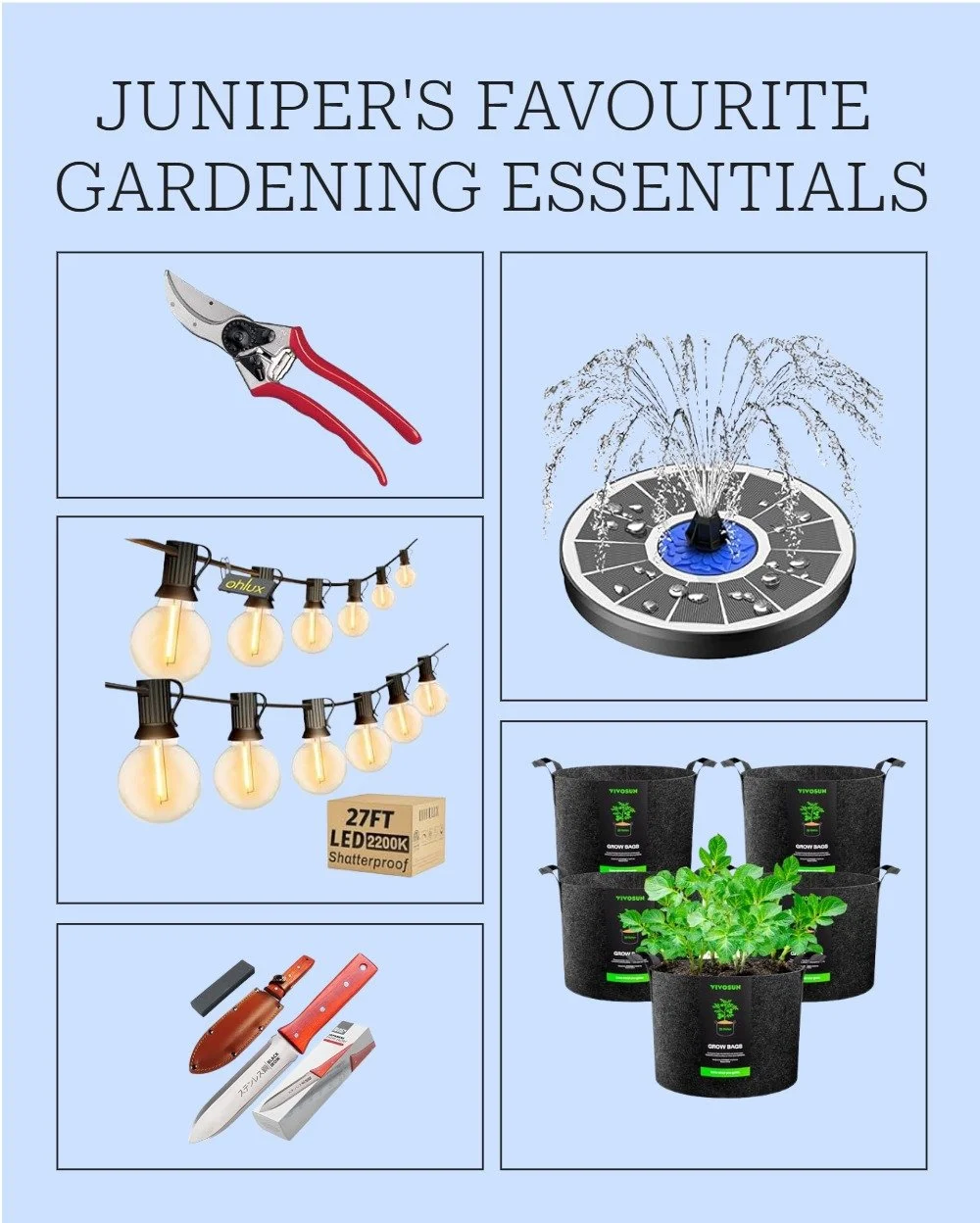
My hori hori is basically an extension of my arm at this point — it digs, cuts, weeds, divides, and makes me feel like an absolute garden warrior. Learn more: https://amzn.to/4wzyoFs
At first, I resisted them. They looked a little too practical. A little too “urban gardening influencer.” But after one season of lugging heavy ceramic pots around like I was training for medieval combat, I gave in.
And now? I am officially a grow bag evangelist.
Find it now:
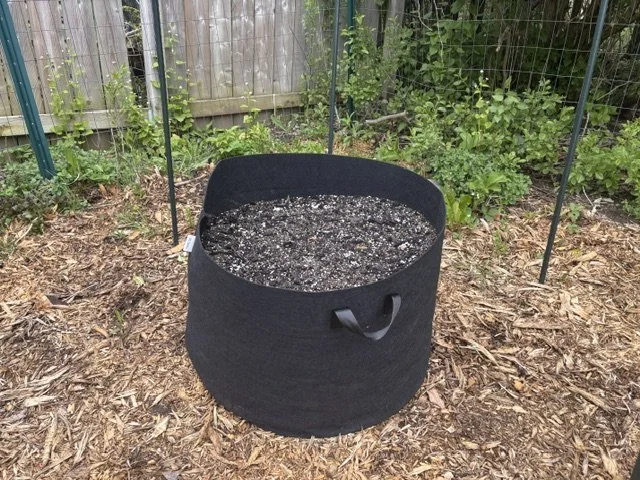
This is the 30 gallon grow bag that I’ll be using for my sweet potatoes this year! https://amzn.to/4uMBCDP
So… What Exactly Is a Grow Bag?
A grow bag is a fabric container designed for growing plants. Think of it as a breathable pot made from heavy-duty felt-like material.
Unlike plastic pots, grow bags allow excess heat and moisture to escape through the sides. This creates healthier root systems and happier plants.
And unlike my attempts at assembling raised beds, they require absolutely zero power tools and only minimal swearing.
Why Gardeners Love Them
1. Better Roots = Better Plants
Traditional pots can cause roots to circle endlessly around the container until they become root-bound. Grow bags “air prune” the roots instead.
When roots hit the fabric and air, they naturally stop growing outward and branch into finer feeder roots instead. More feeder roots means:
Better nutrient uptake
Better water absorption
Stronger plants
Happier vegetables
It’s basically the gardening equivalent of encouraging emotional growth instead of letting your roots spiral into chaos.
2. They’re Amazing for Tomatoes
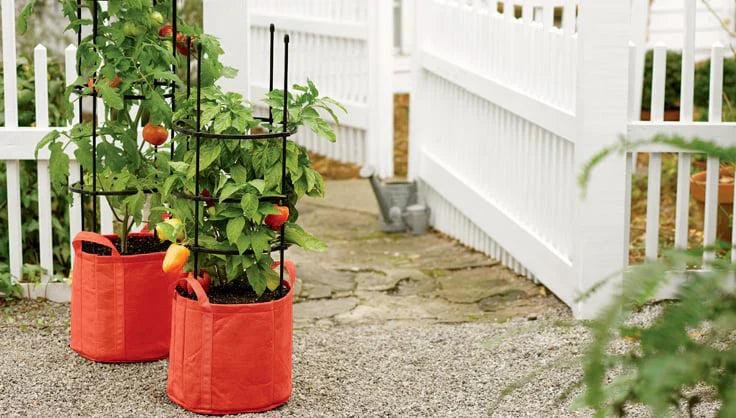
Tomatoes absolutely thrive in grow bags. The improved drainage and root aeration help prevent many common tomato problems.
My tomatoes in grow bags consistently:
Grow faster
Dry out more evenly after rain
Produce earlier
Sulk less dramatically during heat waves
And honestly, anything that reduces tomato drama deserves respect.
3. Sweet Potatoes Absolutely Love Them
If there’s one crop that was practically designed for grow bags, it’s sweet potatoes.
Sweet potatoes prefer loose, sandy, well-draining soil so their tubers can expand easily underground. Heavy clay soil can leave them stunted, twisted, or difficult to harvest — which is frustrating after waiting all summer for your potato treasure chest.
Grow bags solve this beautifully.
You can create the exact soil blend sweet potatoes adore:
Light potting soil
Compost
A bit of sand or coconut coir for drainage
Find it now:
My recipe for sweet potato soil - roughly equal parts:
Garden potting soil: https://amzn.to/4f4fq3v
Compost: https://amzn.to/4uBFIz5
Perlite: https://amzn.to/4vddPx7
Play Sand (purchase from you local home improvement store)
The result is fluffy, warm soil that lets those tubers grow freely without fighting compacted earth like tiny underground bodybuilders.
And harvesting? Pure joy.
Instead of stabbing blindly into garden beds with a shovel while whispering “please don’t let me impale the potatoes,” you simply dump the bag out at the end of the season and uncover your sweet potato haul like a pirate discovering buried treasure.
Sweet potatoes also love the extra warmth grow bags provide. The fabric heats up faster than traditional beds in spring, which helps these heat-loving plants thrive — especially in cooler climates where every warm day counts.
I recommend:
15–20 gallon grow bags
Full sun
Consistent watering
A long growing season
And a willingness to become emotionally attached to vines that will eventually attempt to conquer your entire patio
Because they absolutely will.
4. Perfect for Small Spaces
No yard? No problem.
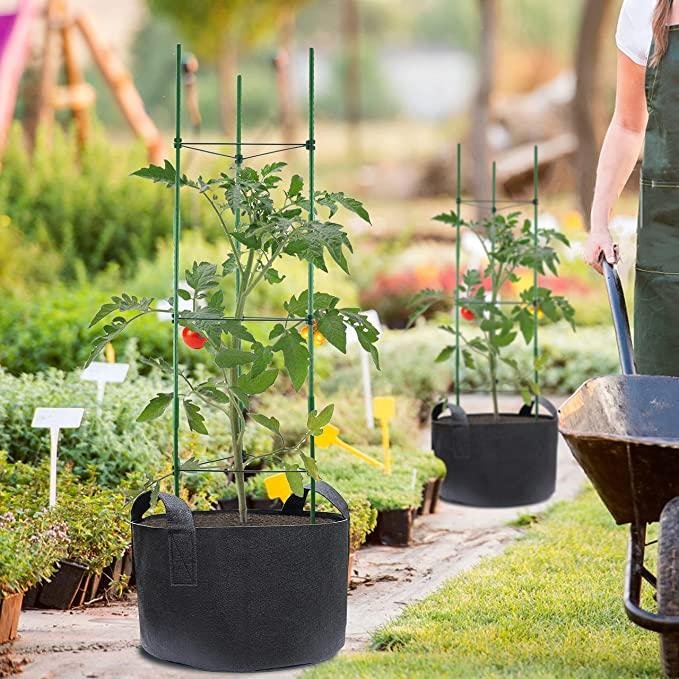
Grow bags work beautifully on:
Decks
Patios
Balconies
Driveways
Tiny urban spaces
Anywhere the sun hits and your neighbours judge your zucchini ambitions
You can even move them around during the season if you realize your “full sun” location actually gets approximately 11 minutes of sunlight per day.
5. They Prevent Overwatering
This is especially helpful for beginner gardeners.
Because the fabric breathes, excess moisture evaporates more easily than it does in plastic pots. That means fewer soggy roots and less accidental plant murder.
Now, they do dry out faster in hot weather — especially black bags in July — but honestly, I’d rather water a bit more often than deal with root rot.
6. They’re Cheap
Raised beds are lovely. I adore them.
But lumber prices lately have made me briefly consider building garden boxes out of old hockey sticks and emotional resilience.
Grow bags are affordable. You can often buy several for the price of one large decorative planter.
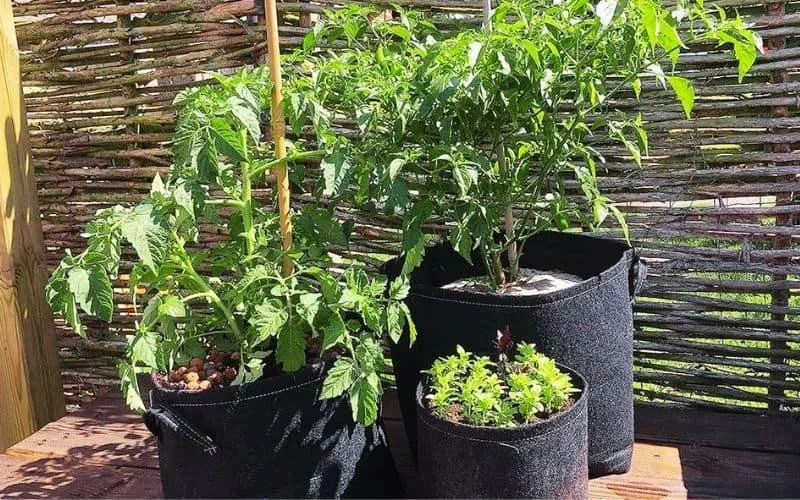
What Grows Best in Grow Bags?
Honestly? Almost everything.
But these are my favourites:
Excellent Choices
Tomatoes
Peppers
Potatoes (for potatoes, consider grown bags with windows for easier harvesting): https://amzn.to/4nRzmcg
Sweet potatoes
Cucumbers
Beans
Eggplant
Dahlias
Herbs
Find it now:
30 gallon grow bag - https://amzn.to/4uMBCDP
10 gallon grow bag with windows - https://amzn.to/4nRzmcg
Surprisingly Great
Zucchini
Blueberries
Dwarf fruit trees
Garlic
Lettuce
A Tiny Word of Caution
Large thirsty plants need larger bags.
A tomato in a tiny grow bag is like putting a teenager in toddler jeans. Technically possible. Morally questionable.
My Favourite Grow Bag Sizes
Here’s my personal rule of thumb:
5 gallon: peppers, herbs, lettuce
10 gallon: tomatoes, cucumbers
15–30 gallon: potatoes, sweet potatoes, zucchini, larger crops
When in doubt, go bigger. Plants rarely complain about extra root space.
Unlike humans at family reunions.
The One Mistake Beginners Make
They underestimate watering.
Grow bags drain beautifully — which is wonderful — but during peak summer heat you may need to water daily.
Mulching the top helps enormously. Straw, shredded leaves, or untreated grass clippings all work well.
Your future self will thank you during July heat waves when the garden starts demanding hydration like a Victorian lady fainting dramatically onto a chaise lounge.
Final Thoughts from the Garden
Grow bags may not be glamorous.
They won’t make your garden look like an English estate owned by a duke named Sebastian.
But they are practical, productive, beginner-friendly, affordable, and surprisingly effective.
And sometimes the best gardening tools are the ones that quietly help you succeed without demanding attention.
A little like worms.
Or good neighbours.
Or whoever invented wine in a can.
Just a little heads up, garden friends 🌿 — if you purchase through one of my links, I may earn a small commission at no extra cost to you… which mostly goes toward funding my entirely reasonable plant addiction. 💚
My Amazon Storefront is now open!
Check out my Top 20 Picks here!