Wildfire Smoke Is Filling the Sky. What Does It Mean for Your Garden?
As I write this, much of Canada is once again blanketed in smoke from wildfires. Here in Ontario, the sun has taken on that eerie orange-red glow, the air smells like a campfire, and even stepping outside for a few minutes leaves your throat feeling scratchy.
The fires aren't just in Canada, either. Large wildfires are burning across parts of the United States as well, sending smoke hundreds—even thousands—of kilometres from where the flames actually are.
If you're looking out at your vegetable garden wondering, "Is everything ruined?" the good news is that the answer is almost certainly no.
Your garden is far more resilient than you might think.
Is It Safe to Eat Vegetables After Wildfire Smoke?
This is the question I've been asked most often over the past few days.
For home gardeners, yes, your vegetables are generally still safe to eat.
Smoke itself isn't toxic to plants. While tiny particles of ash and soot can settle on leaves and fruit, they mostly stay on the surface.
Before eating:
Wash produce thoroughly under running water.
Gently rub smooth-skinned vegetables and fruit.
Leafy greens may benefit from a soak followed by a second rinse.
Peel root vegetables if you normally do.
The amount of ash settling in most communities far from the actual fires isn't enough to make your tomatoes, beans, cucumbers or peppers unsafe to eat.
If your property has experienced heavy ashfall or is very close to an active wildfire, that's a different situation. But for most of us living under smoky skies, a good wash is all that's needed.
Will the Smoke Hurt My Plants?
Probably not.
Plants have evolved alongside wildfires for millions of years. A few smoky days won't kill a healthy garden.
That said, heavy smoke can have some temporary effects:
Less sunlight reaches the leaves, slowing photosynthesis.
Growth may pause for a few days.
Flowering and fruit ripening can slow slightly if smoky conditions persist for weeks.
Once the skies clear, most gardens simply carry on as if nothing happened.
Ironically, the cooler temperatures that often accompany smoke can reduce heat stress, helping some plants conserve moisture.
Should I Keep Watering?
Absolutely.
Smoke doesn't replace rain.
If anything, continue watering normally because your plants still need consistent moisture. Just avoid overwatering simply because the weather feels cooler.
If ash has visibly accumulated on leaves, a gentle rinse from the hose can help restore sunlight to the foliage.
Should I Harvest Now or Wait?
Harvest as you normally would.
If vegetables are ripe, pick them.
Leaving mature produce sitting on the plant because of smoke generally doesn't improve anything.
What About Pollinators?
Bees, butterflies and other pollinators may become less active during periods of dense smoke.
Reduced visibility and poorer air quality can limit their flying activity, meaning you may notice fewer visits to blossoms for a few days.
Thankfully, they usually return once conditions improve.
The Bigger Concern Isn't Your Garden. It's You.
This is where I want to spend a little more time.
Gardeners are a stubborn bunch.
We tell ourselves we'll "just weed one bed."
Then it's deadheading.
Then watering.
Then suddenly two hours have passed and we're coughing like we've smoked a carton of cigarettes.
Please don't do that.
Gardening can wait.
When air quality is poor:
Keep outdoor time as short as possible.
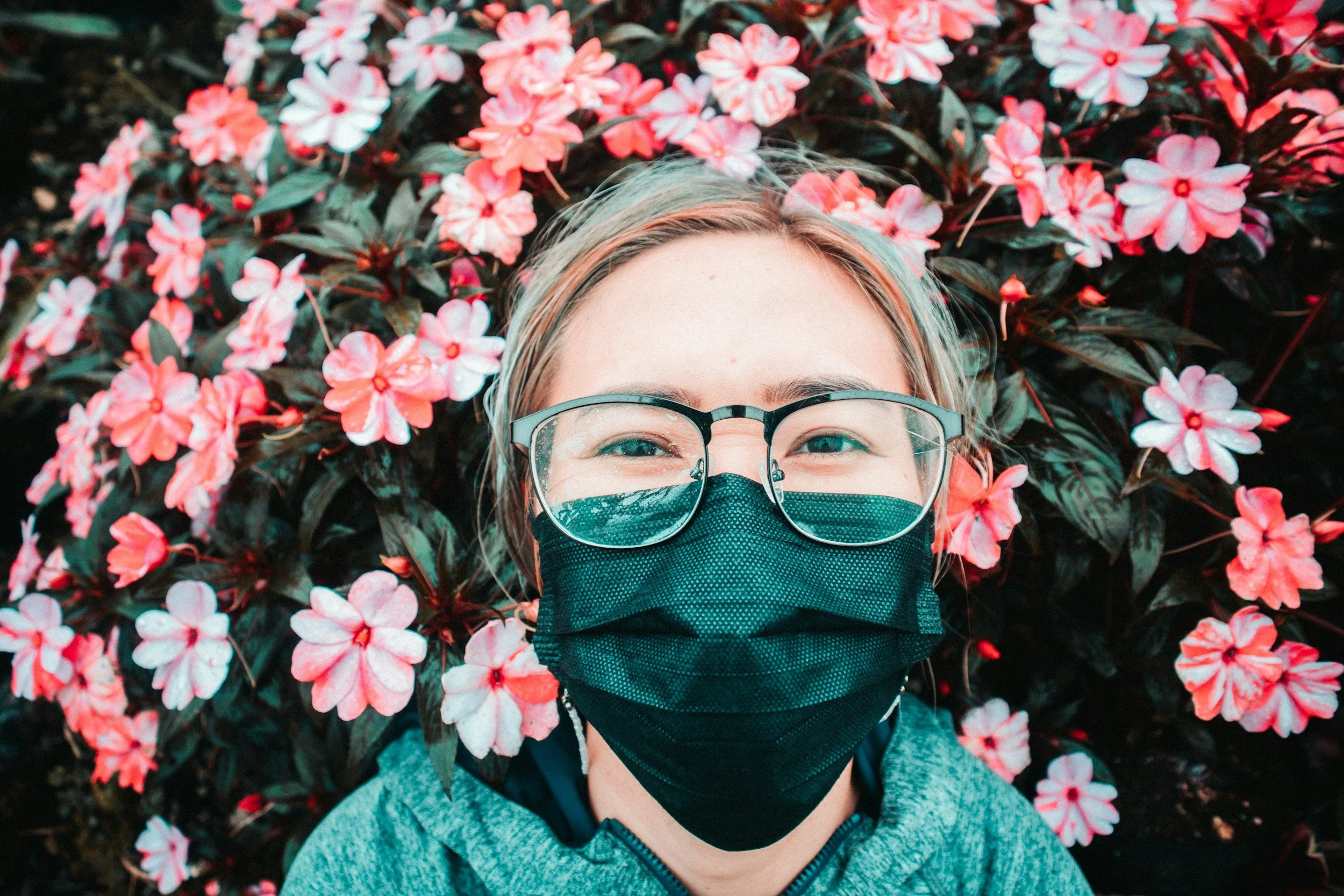
Wear a properly fitted N95 respirator if you need to work outside.
Save big gardening jobs for when the air improves.
Keep windows closed if smoke is entering your home.
Run a HEPA air purifier if you have one.
Find it here:
N95 Respirator Mask: https://amzn.to/4vFBtCn
Air Purifier with HEPA filter: https://amzn.to/3Tml0Ft
If you have asthma or another lung condition, take the warnings seriously. Even people with no history of breathing problems can develop coughing, wheezing or shortness of breath during heavy smoke events.
If you develop significant breathing difficulties, don't try to tough it out. Contact your healthcare provider or pharmacist. In many places, pharmacists can help assess your symptoms and advise on appropriate treatment.
It's also normal to feel more tired than usual during prolonged smoky conditions. Your body is working harder than you realize.
Don't Forget Your Pets
Our gardens aren't the only thing outside.
Keep fresh water available for pets and consider replacing outdoor water bowls more often if ash is falling.
After the smoke clears, avoid letting pets drink from puddles or stagnant water until a couple of good rains have washed away accumulated ash.
If you keep livestock, refreshing troughs regularly during smoky periods is also a good idea.
A Few Extra Tips
Smoke can reduce visibility almost like heavy fog.
If you're driving to the garden centre—or anywhere else—turn on your headlights so other drivers can see you.
And while you're thinking about it, check in on older neighbours, especially anyone with respiratory or heart conditions who may need a hand.
Nature Is Resilient
Wildfires are a natural part of many ecosystems, although climate change, drought, forest management practices and human activity are influencing the frequency and severity of today's fire seasons.
The smoke can certainly be unsettling.
Your tomatoes may look a little dusty.
The sky may feel apocalyptic.
But your garden has weathered heat waves, torrential rain, hailstorms, hungry deer and Japanese beetles. A few smoky days are unlikely to be what brings it down.
Take care of yourself first.
Your beans can wait another day.
And when the skies finally clear, your garden will be ready to keep growing.
Just a little heads up, garden friends 🌿 — if you purchase through one of my links, I may earn a small commission at no extra cost to you… which mostly goes toward funding my entirely reasonable plant addiction. 💚
My Amazon Storefront is open!
Check out my Top Picks here!