Unravelling the Mysteries of Fertilizer
When I first started gardening, I honestly thought fertilizer was something “real gardeners” worried about. You know… the people with perfectly edged flower beds and tomatoes the size of bowling balls.
Meanwhile, I was out there tossing plants into the ground like, “Good luck little buddy. Hope you enjoy your new home.”
And surprisingly? Things still grew. Sort of.
The flowers flowered. The tomatoes tomatoed. Nobody called the gardening police.
But once I actually learned how fertilizer works, the difference was HUGE. Suddenly my plants weren’t just surviving — they were thriving. Bigger blooms. Stronger stems. Better harvests. Fewer sad, floppy “thoughts and prayers” plants.
So if fertilizer packaging looks like confusing garden wizard math to you, pull up a chair. Auntie Juniper is here to decode the chaos.
Those Three Weird Numbers on Fertilizer Bags
You know the ones.
10-10-10.
5-10-5.
20-20-20.
At first glance they look like locker combinations or a math test I would absolutely fail. But they’re actually pretty simple.
Those three numbers represent:
N – P – K
Or:
Nitrogen
Phosphorus
Potassium
Each nutrient helps plants in different ways.
Nitrogen (N)
This is for leafy green growth.
Think:
lettuce
hostas
grass
herbs
giant jungle-looking zucchini leaves
If you want lush green growth, nitrogen is your girl.
Too much though? You’ll get giant leaves and very few flowers. Ask me how many times I’ve lovingly grown “the world’s healthiest tomato leaves.”
Phosphorus (P)
This helps with:
roots
flowers
fruit production
So if you want:
blooms
tomatoes
peppers
stronger root systems
…you want phosphorus involved.
Potassium (K)
Potassium is like the plant immune system trainer.
It helps with:
overall health
stress tolerance
disease resistance
strong stems
Basically potassium tells your plants:
“Get up soldier, you can survive this heat wave.”
Home Remedies: Garden Genius or Gardening Folklore?
Ah yes. The internet rabbit hole of:
banana peels
coffee grounds
eggshells
Epsom salts
mysterious compost teas brewed in buckets that smell like raccoon regret
Do some home remedies help? Sure.
Are they miracle cures? Usually not.
Coffee Grounds
Great in compost. Some plants love them.
But dumping massive amounts directly around plants can make soil funky and compacted. Moderation, darling.
Eggshells
They do contain calcium.
But they break down VERY slowly. Like “future civilization discovering your eggshells” slowly.
Useful over time? Yes.
Instant fix for blossom end rot? Not really.
Banana Peels
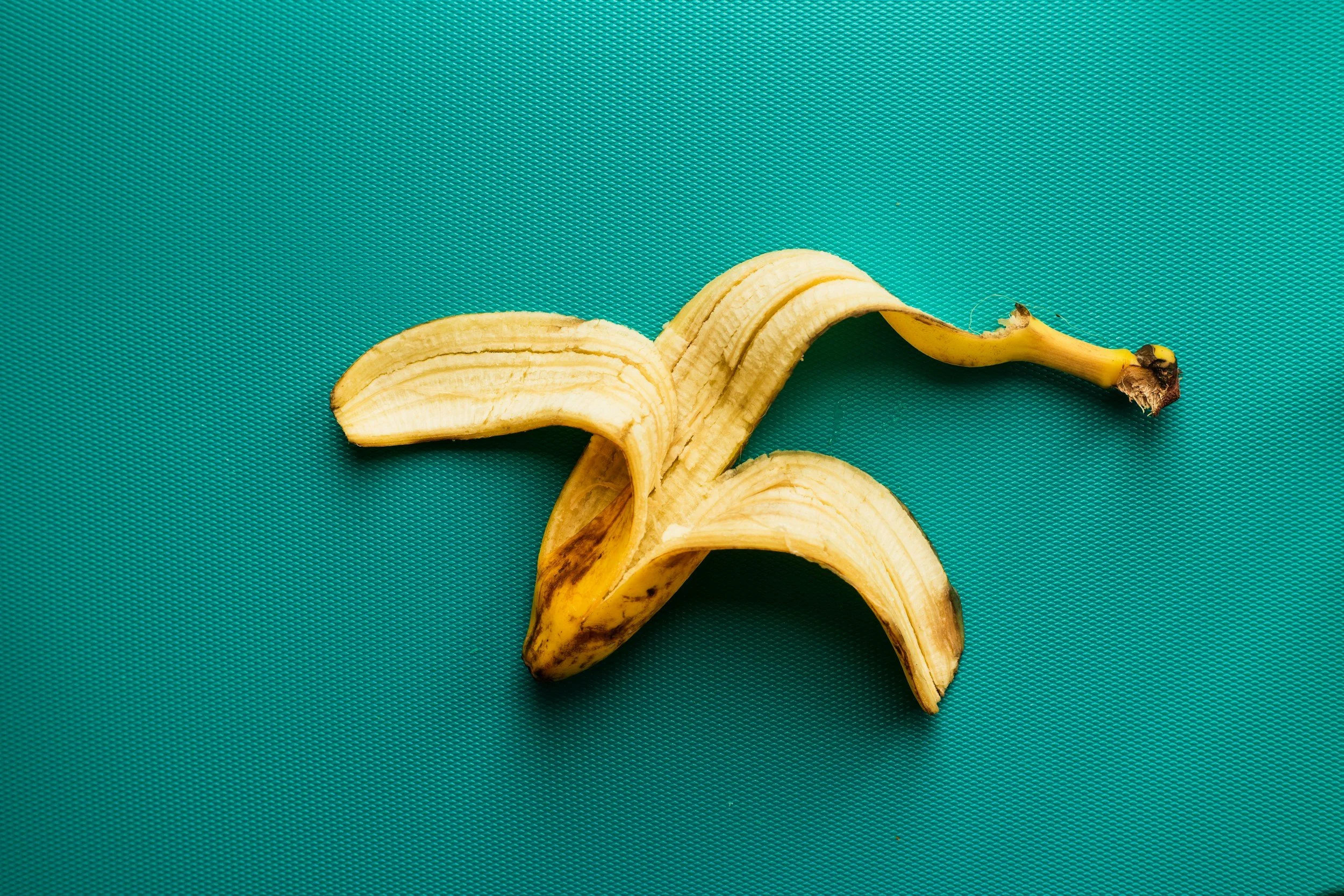
They contain potassium, but they’re not magic tomato wands. Composting them works better than just chucking peels around your garden like you’re feeding raccoons.
Epsom Salt
Gardeners either swear by it or swear at it.
Plants only benefit if they actually have a magnesium deficiency. More is not always better. Your cucumber is not a margarita rim.
Blood Meal vs Bone Meal
Aka: the garden version of choosing between spinach and protein powder
These two confuse a LOT of gardeners — and honestly the names sound slightly horrifying if you don’t know what they are.
So let’s clear this up.
What Is Blood Meal?
Blood meal is exactly what it sounds like: dried animal blood, usually collected as a byproduct from meat processing facilities and turned into a powdered fertilizer.
Sexy? No.
Effective? Absolutely.
It’s extremely high in nitrogen, which makes it fantastic for leafy green growth.
Use it when:
leafy plants need a boost
plants look pale or yellow
you want vigorous green growth
Great for:
lettuce
spinach
leafy ornamentals
corn
lawns
Here’s a blood meal that I have been using for awhile now and really love: https://amzn.to/4dzbGV8
But be careful — too much blood meal can overdo the nitrogen and leave you with giant leaves and very few flowers.
Also:
Some dogs, raccoons, squirrels, and other critters think blood meal smells DELICIOUS. So if your garden suddenly looks like tiny woodland criminals dug it up overnight… now you know why.
What Is Bone Meal?
Bone meal is made from steamed and ground animal bones.
Again: not glamorous.
But gardeners have used it forever because it’s rich in phosphorus and calcium.
Bone meal helps with:
root development
flowering
fruit production
bulb growth
I love adding bone meal when planting:
tulips
dahlias
roses
tomatoes
peonies
Unlike fast synthetic fertilizers, bone meal breaks down slowly, so it feeds plants gradually over time.
Here’s a bone meal that I find works very well: https://amzn.to/43gvMyH
One important note: Bone meal works best in soil that isn’t highly alkaline. If your soil pH is too high, plants can struggle to access the phosphorus.
If you want to get all sciencsy and test your soil’s pH, you can use something like this: https://amzn.to/4dxatO2
Translation: Your fertilizer may be there… but your plants are basically standing there going:
“Cool. Still can’t use it though.”
Gardening is humbling.
Fish Fertilizer
Yes, it smells exactly how you think it smells.
Fish fertilizer is made from emulsified fish parts or fish waste processed into liquid plant food.
Sounds horrifying. Plants LOVE it.
Fish fertilizer is fantastic because it provides gentle nutrients while also helping feed beneficial soil microbes.
It’s especially great for:
seedlings
container plants
stressed plants
annual flowers
vegetables
I use diluted fish fertilizer early in the season to give plants a gentle boost without overwhelming them.
The downside? For about fifteen minutes your garden smells like a fishing dock behind a bait shop.
Worth it though. And here’s one that I like: https://amzn.to/4961rGK
Just maybe don’t apply it right before hosting a backyard barbecue.
A Simple Fertilizing Routine for Beginner Gardeners
If you’re new to fertilizer, please do not panic and buy fourteen different products because a gardening influencer yelled about micronutrients.
You really can keep it pretty simple.
Here’s a basic routine that works well for many home gardens:
Early Spring
Add compost to garden beds
Use a balanced fertilizer (something like 10-10-10 or 5-5-5) like this one: https://amzn.to/4uSbQy0
Add bone meal when planting bulbs, tomatoes, or flowering plants
This is your “wake up, everybody” phase.
Late Spring / Early Summer
Feed hungry vegetables every couple of weeks
Use fish fertilizer for containers and annual flowers
Add blood meal ONLY if plants are pale or struggling with leafy growth
Think maintenance mode, not fertilizer chaos.
Mid-Summer
Continue feeding containers regularly
Use bloom fertilizer on flowering annuals if needed
Avoid blasting everything with heavy nitrogen during heat waves
Nobody wants stressed-out plants trying to process a fertilizer buffet in 35-degree weather.
Late Summer / Fall
Ease up on fertilizer
Stop encouraging lots of tender new growth before frost
Add compost or mulch to improve soil for next season
This is the garden equivalent of putting on cozy pajamas and winding down.
Juniper’s Top Fertilizer Tips
1. Read the Label
I know. Boring. Offensive even.
But different plants need different things. Stop feeding everything the exact same mystery blue crystals from 1997.
2. More Is NOT Better
Overfertilizing can:
burn roots
weaken plants
create floppy growth
reduce flowering
Plants are living things, not competitive bodybuilders.
3. Feed the Soil, Not Just the Plant
Healthy soil = healthier plants.
Compost, mulch, organic matter, and good watering habits matter just as much as fertilizer.
4. Container Plants Need More Feeding
Pots lose nutrients fast because watering flushes everything out.
Your hanging baskets are basically tiny dramatic divas constantly asking for snacks.
5. Timing Matters
Don’t heavily fertilize plants heading into dormancy.
Tender new growth before winter is basically sending your plants outside in flip-flops during a snowstorm.
Final Thoughts from Juniper
Learning fertilizer changed my gardening game completely.
Not because I suddenly became some botanical genius in a sun hat whispering Latin plant names — but because I finally understood what my plants were actually asking for.
And honestly? Gardening gets way less intimidating once you realize:
nobody knows everything
every gardener experiments
sometimes we all accidentally murder a zucchini
The garden forgives. Usually.
Now go forth, feed your plants wisely, and try not to panic-buy seventeen fertilizers because someone on Facebook said their peonies tripled in size overnight.
Just a little heads up, garden friends 🌿 — if you purchase through one of my links, I may earn a small commission at no extra cost to you… which mostly goes toward funding my entirely reasonable plant addiction. 💚
My Amazon Storefront is now open!
Check out my Top 20 Picks here!