Ten Rookie Gardening Mistakes I Wish Someone Had Warned Me About
Gardening is one of those hobbies where you can read twelve books, watch forty-seven videos, and still accidentally murder a perfectly innocent plant because you “thought it looked thirsty.”
Every gardener starts somewhere. And most of us begin with enthusiasm, optimism, and absolutely no understanding of what we’re doing.
I certainly did.
In the spirit of saving at least a few of you from learning everything the hard way, here are ten rookie gardening mistakes I deeply, personally, and sometimes expensively wish someone had warned me about.
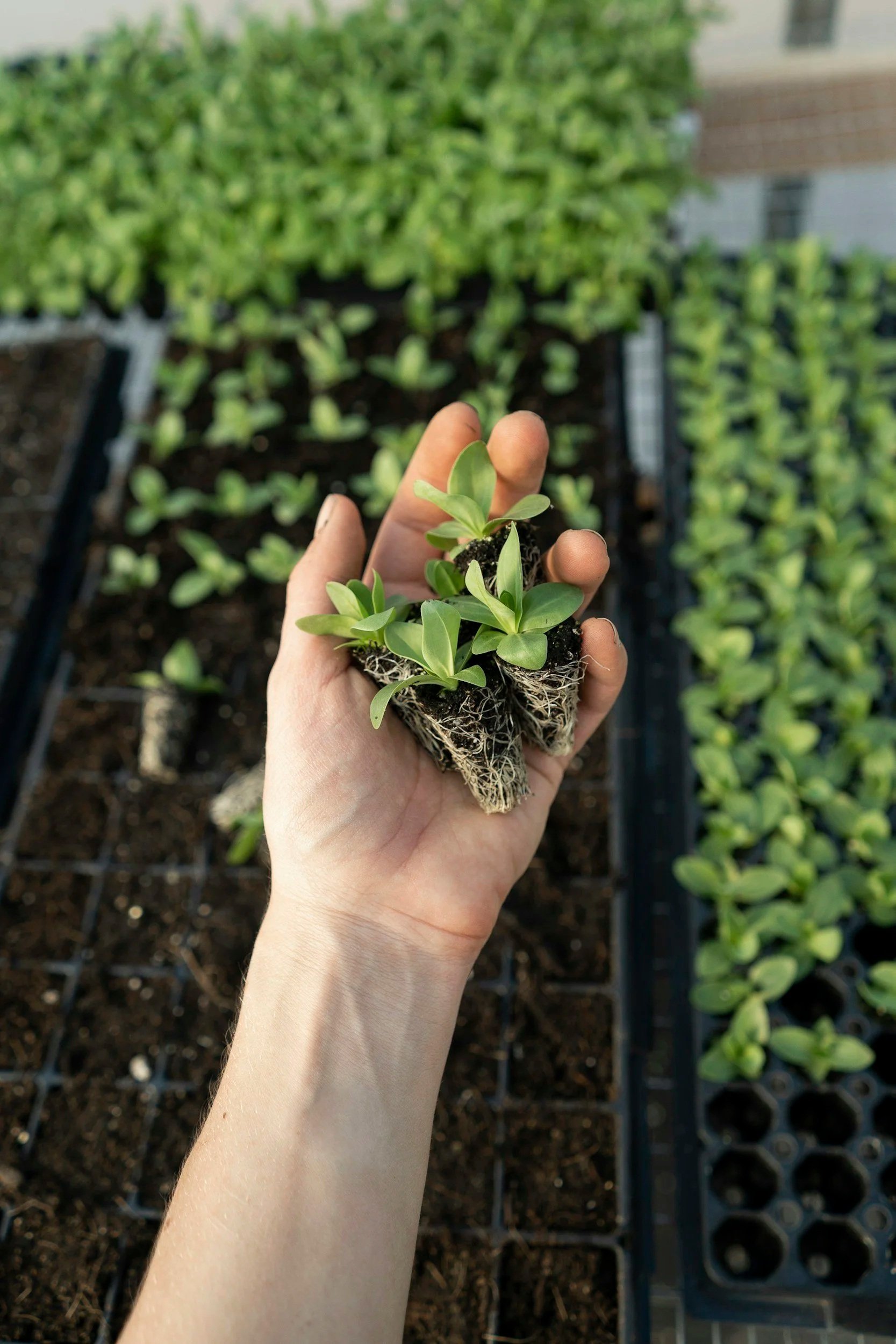
1. Planting Tiny Plants Too Close Together
You know those adorable little nursery tags showing mature plant spacing?
Read them. Believe them. Respect them.
Baby plants are liars. They look small and innocent and then two years later you’re outside with a shovel at sunset whispering, “There is simply too much hydrangea.”
A crowded garden means poor airflow, more disease, and constant dividing and relocating.
Give plants room to become who they were meant to be.
2. Buying Plants Without Knowing Your Sun Conditions
I once bought a shade-loving plant because it was pretty.
That plant lasted approximately seventeen dramatic minutes in my blazing full-sun garden.
Before buying anything, figure out whether your space is:
Full sun
Part shade
Full shade
The right plant in the right place solves half your gardening problems before they start.
3. Watering Too Much
New gardeners tend to love plants aggressively.
Sometimes we water because:
the soil is dry,
the leaves droop,
it hasn’t rained,
we’re anxious,
or we just want to feel useful.
Unfortunately, roots also need oxygen. Constantly soaked soil can rot plants faster than drought.
Stick your finger into the soil before watering. Science. Very advanced.
4. Ignoring Soil Quality
I used to think gardening was mostly about plants.
Turns out it’s mostly about dirt.
Healthy soil changes everything:
stronger roots,
better blooms,
fewer pests,
less watering,
happier plants.
Compost is not glamorous, but it is magic.
Find it here:
Espoma Organic Blood Meal Fertilizer 12-0-0 https://amzn.to/4dzbGV8
Espoma Organic Bone Meal https://amzn.to/43gvMyH
Alaska Fish Fertilizer https://amzn.to/4961rGK
City Garden Supply All Purpose Fertilizer https://amzn.to/4uSbQy0
5. Starting Too Big
Ah yes. The classic rookie fantasy:
“I’ll just build twelve raised beds, grow all my own vegetables, start dahlias, and maintain a cottage garden this year.”
Respectfully: calm down.
A smaller, manageable garden you enjoy is infinitely better than an overwhelming garden that turns into a guilt field by July.
6. Fighting Nature Instead of Working With It
Some plants thrive in your conditions. Some plants act personally offended by them.
Pay attention to what naturally succeeds in your space.
If a plant repeatedly struggles, it may not be a “you” problem. It may simply be the wrong plant for your garden.
Not every gardener needs lavender. I said what I said.
7. Expecting Perfection
Social media has convinced people that gardens should look flawless at all times.
Meanwhile, real gardens have:
chewed leaves,
leaning stems,
mystery volunteers,
weird gaps,
and at least one plant behaving irrationally.
A living garden is not a staged photo shoot. It’s an ecosystem.
Perfection is overrated. Alive is beautiful.
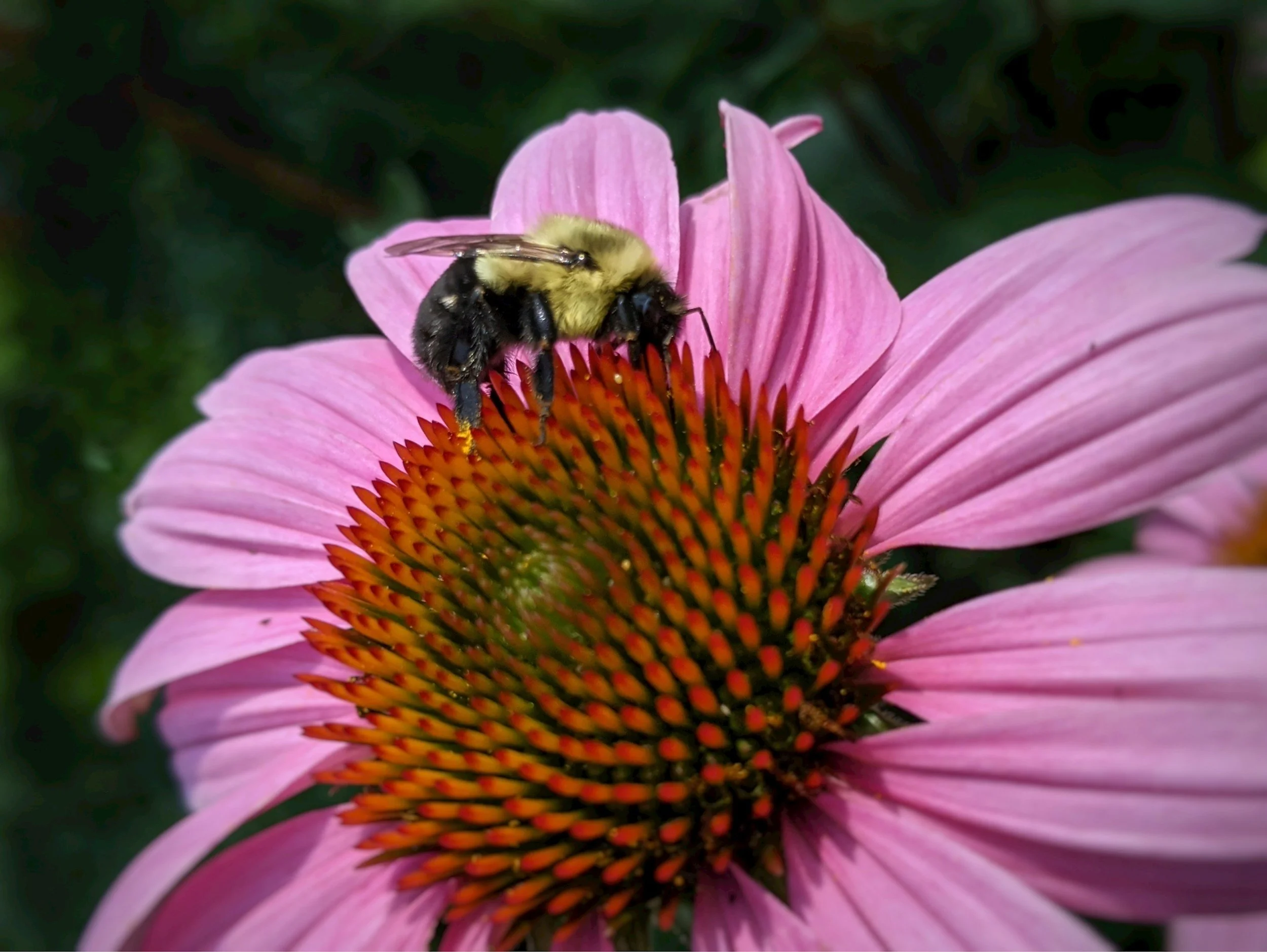
8. Forgetting About Pollinators
Early on, I planted mostly for appearance.
Now I plant for movement, sound, and life.
The moment bees start visiting your garden regularly, everything changes. Suddenly the space feels alive in a completely different way.
Add pollinator-friendly plants and your garden becomes more resilient, productive, and joyful.
Also: bees make excellent tiny garden supervisors.
9. Not Labeling Things
You absolutely will forget what you planted.
You will confidently tell someone:
“Oh, I think that’s… maybe salvia? Or oregano? Honestly we’re all guessing now.”
Plant labels are not weakness. They are wisdom.
I recently found these super cute garden labels - check them out here: https://amzn.to/3RG0G0X
10. Thinking Good Gardeners Never Fail
Every gardener kills plants.
Every single one.
Experienced gardeners just become better at:
troubleshooting,
adapting,
experimenting,
and pretending we totally meant for things to turn out that way.
Gardening is not a test you pass. It’s a relationship you build over time.
Some years are spectacular. Some years the cucumber beetles stage a coup.
You keep gardening anyway.
Final Thoughts from Someone Who Has Absolutely Learned Things the Hard Way
The truth is, mistakes are part of becoming a gardener. You learn by trying, failing, adjusting, and trying again.
And one day you realize:
you understand your soil,
you know when rain is coming by smell,
you recognize seedlings like old friends,
and you’ve become the kind of person who casually discusses mulch at dinner.
That’s when you know it’s too late for you.
You’re a gardener now.
Just a little heads up, garden friends 🌿 — if you purchase through one of my links, I may earn a small commission at no extra cost to you… which mostly goes toward funding my entirely reasonable plant addiction. 💚
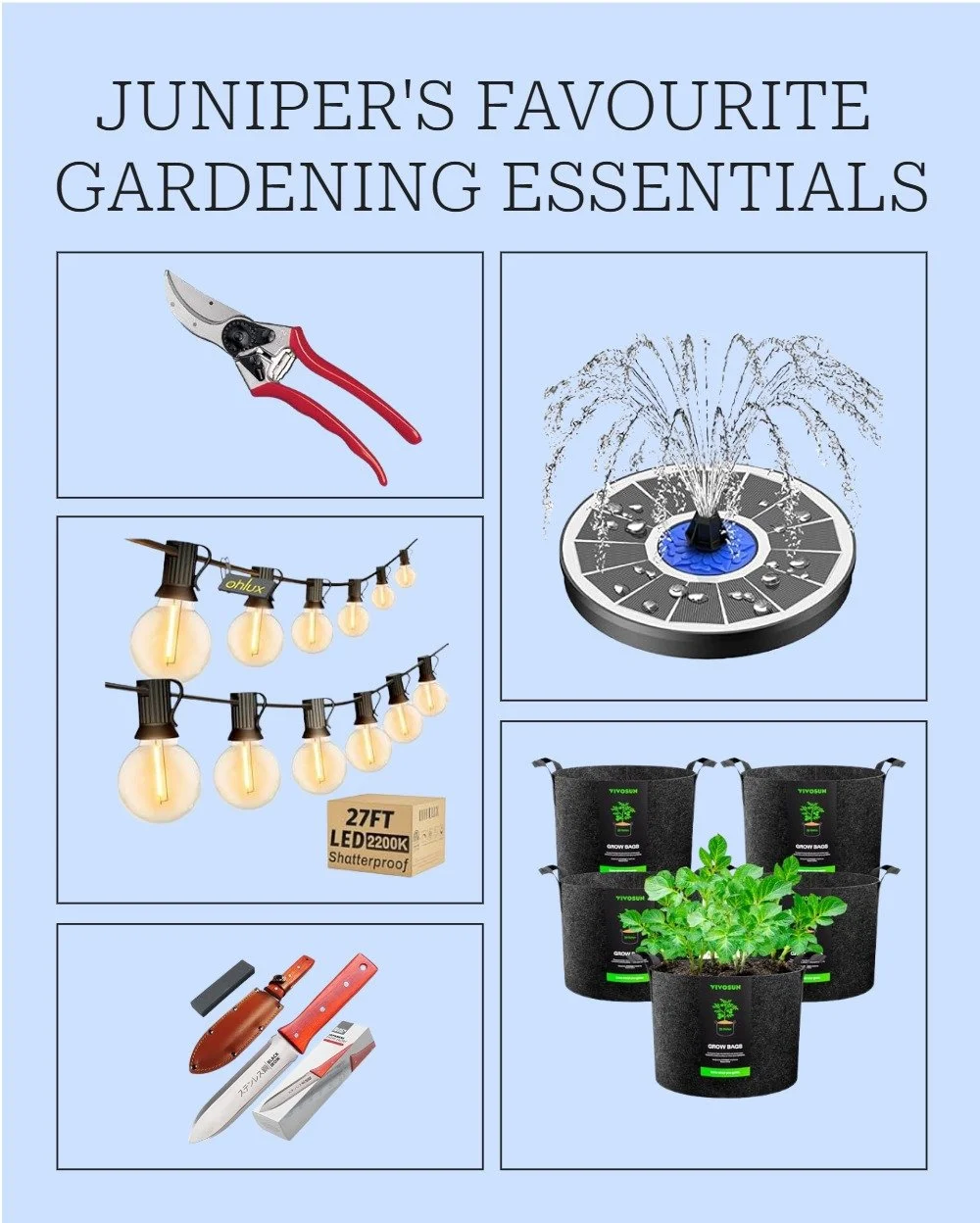
My Amazon Storefront is now open!
Check out my Top 20 Picks here!