Seed Saving in Late Summer: Save This Year’s Garden for Next Year
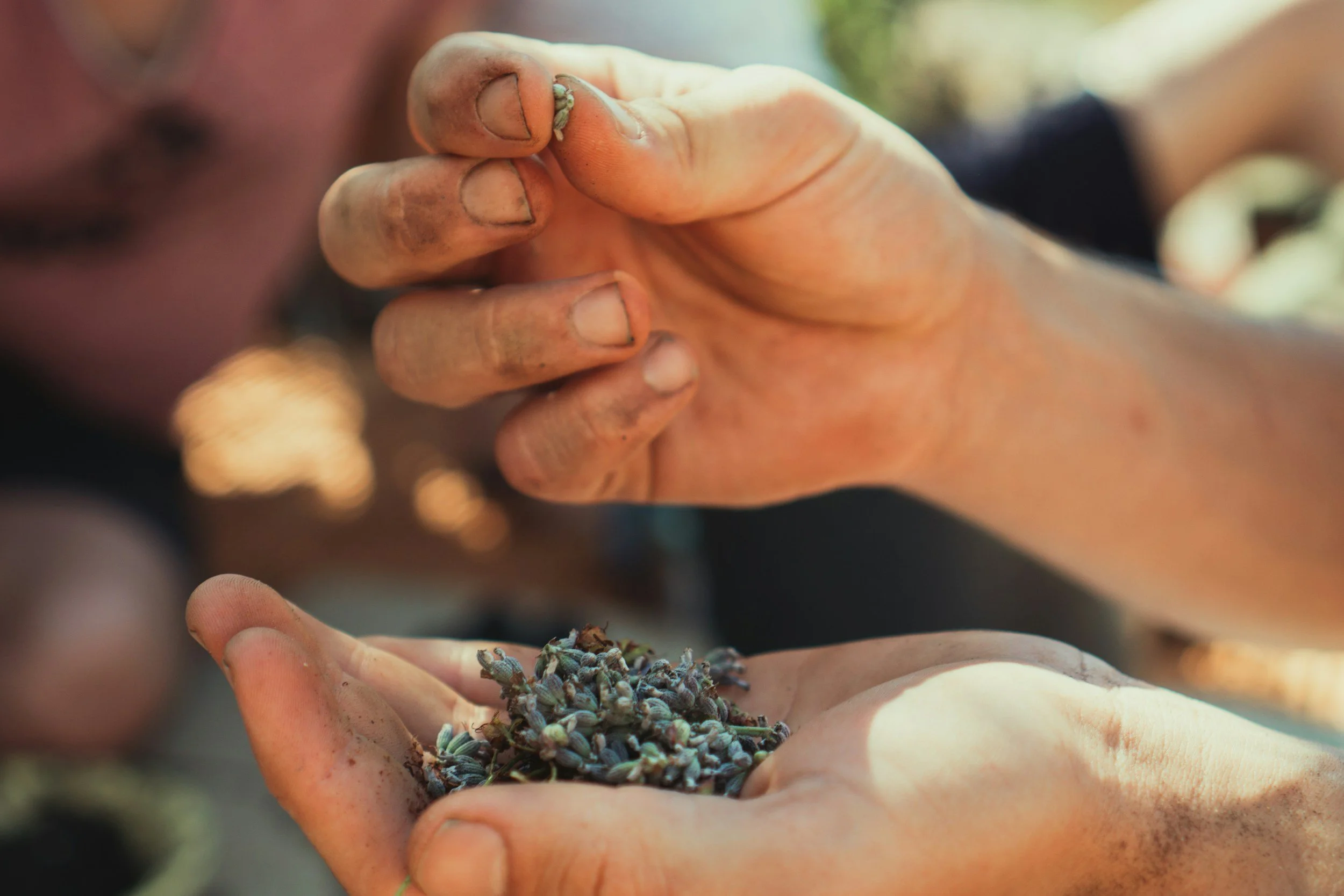
Late summer and early fall are when the garden starts handing out little gifts for next year.
The flowers may be fading, vegetables may be finishing up, but if you look closely, you’ll find seeds forming everywhere. And while it’s tempting to leave everything to the birds and squirrels, this is actually one of my favourite times of year to start saving seeds.
Seed saving sounds like something that requires a degree in botany and a perfectly organized garden journal. It doesn’t. You can start small, save seeds from a few of your favourite plants, and learn as you go.
And there’s something pretty satisfying about planting a packet of seeds in spring and knowing they came from your own garden.
Start With the Right Plants
The easiest plants to save seeds from are open-pollinated varieties, particularly heirlooms. These plants generally produce offspring that are similar to the parent plant.
Hybrid plants are a little different. You can absolutely save their seeds, but the plants that grow from them may not look or perform like the original plant. You might get something wonderful—or something completely different.
If you’re just getting started, choose a plant you particularly loved this year. Maybe it was the tomato that produced like a champ, the bean that never stopped producing, or a gorgeous zinnia that made you stop every time you walked past it.
Save seeds from the plants you actually want more of.
Let the Seeds Mature
This is probably the biggest mistake new seed savers make: harvesting too early.
Seeds need time to mature on the plant.
For many vegetables, that means leaving the fruit on the plant well past the point when you would normally eat it. That beautiful tomato you would usually pick when perfectly ripe? Leave one on the vine until it becomes very ripe and soft.
For flowers, wait until the blooms have faded and the seed heads have dried.
It can feel slightly wrong to leave perfectly good produce sitting around, but resist the urge to tidy everything up too quickly. Your future garden will thank you.
Some of My Favourite Seeds to Save
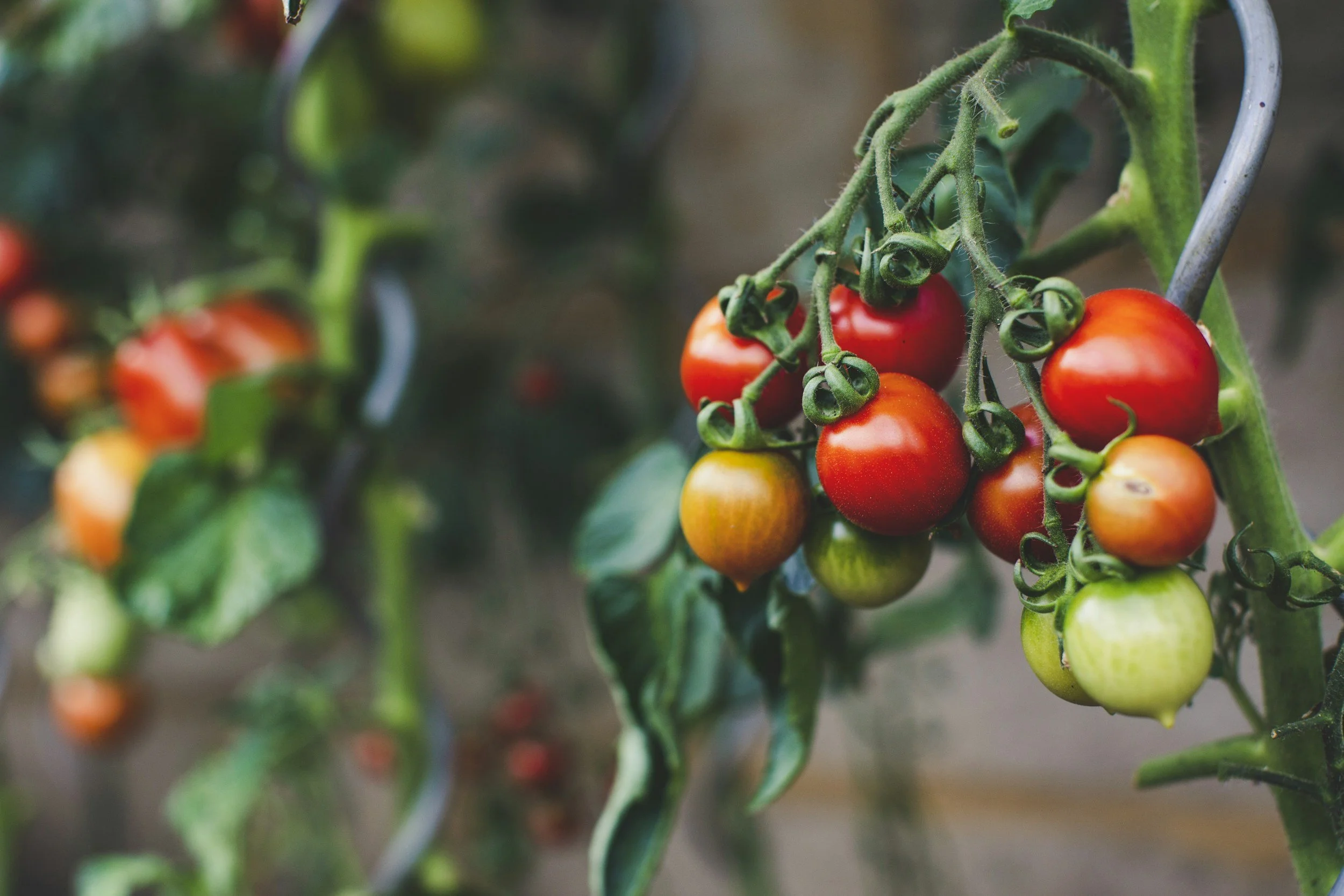
Tomatoes are one of the easiest places to start. Choose a ripe, healthy tomato from a plant you loved. Scoop out the seeds and surrounding gel, put them in a small container with a little water, and let them ferment for a few days. Then rinse the seeds thoroughly and dry them completely.
Beans and peas are even easier. Let some pods remain on the plant until they become dry and papery. Pick them, remove the seeds and allow them to dry further indoors before storing.
Lettuce is another great candidate. Eventually, lettuce sends up a flower stalk and produces fluffy little seed heads. Once the seeds are mature and dry, collect them before the wind carries them away.
And then there are flowers.
If you have zinnias, marigolds, calendula or other seed-producing flowers that you love, let some of the blooms go to seed. You don't have to save every single one. Pick a few of your favourites and collect the mature seeds once the flower heads are dry.
Don't Save Seeds From Just Any Plant
Here's where a little garden observation pays off.
Save seeds from healthy, vigorous plants that performed well in your garden.
If a tomato plant was covered in disease, produced poorly or struggled all summer, that's probably not the one you want representing your tomato patch next year.
Instead, look for the plants that thrived. The ones that handled your weather, produced well and gave you exactly what you wanted.
In other words: choose your garden's overachievers.
Drying Is Important
Once you've collected your seeds, make sure they're completely dry before storing them.
Spread them out in a single layer on a plate, piece of paper or another dry surface. Keep them somewhere cool and dry, out of direct sunlight, and give them plenty of time to dry.
Don't rush this step. Moisture trapped inside your seed container can lead to mould and can ruin your carefully collected seeds.
And yes, I have learned this one the hard way.
Label Everything
Future You will not remember.
I know this because Past Me has repeatedly left seeds sitting somewhere thinking, Of course I'll remember what those are.
I did not.
Label your seed packets or envelopes with:
The plant variety
The year collected
Where it came from, if that's useful
Any other information you think you'll want next spring
A tiny envelope labelled "tomato" might seem perfectly obvious in August. Six months later, it will be considerably less obvious.
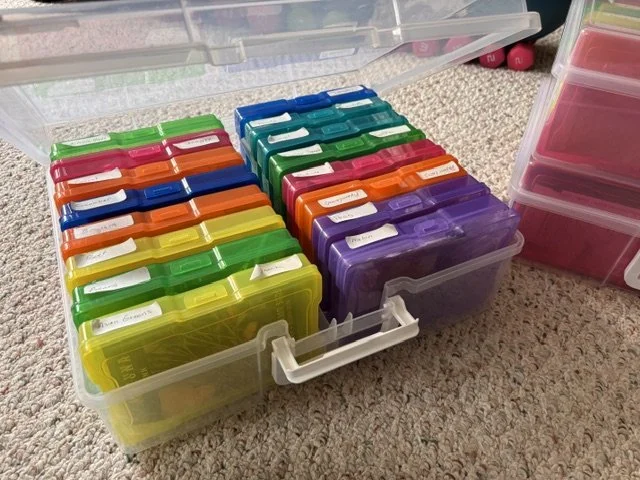
These photo boxes are perfectly suited for storing seeds! Find it here: https://amzn.to/3Svmqxq
Keep Your Seed Stash Organized
Once you start saving seeds, there is a sneaky little problem that nobody warns you about: you will suddenly have a lot of seeds.
A few envelopes turn into a drawer full of envelopes, and before long you're digging through them in February wondering where on earth you put those marigold seeds.
I've found that a little organization now saves a lot of frustration later.
I use plastic photo storage boxes to keep my seeds organized. They're inexpensive, have individual little compartments, and are just the right size for storing small seed packets and envelopes. I can separate seeds by type and keep everything together in one place.
You could organize yours by vegetable, flower and herb, or even by planting season. Whatever system makes sense to you is the right system.
And don't forget to label those little containers! I like to include the plant name and year, and if it's a seed I've saved myself, I'll note that too.
The other advantage of having everything organized is that it makes winter garden planning much more fun. Instead of buying seeds and then discovering you already have three packets of something tucked away somewhere, you can actually see what you've got.
And yes, I still occasionally buy seeds I already have.
That's not an organizational failure. That's just being a gardener.
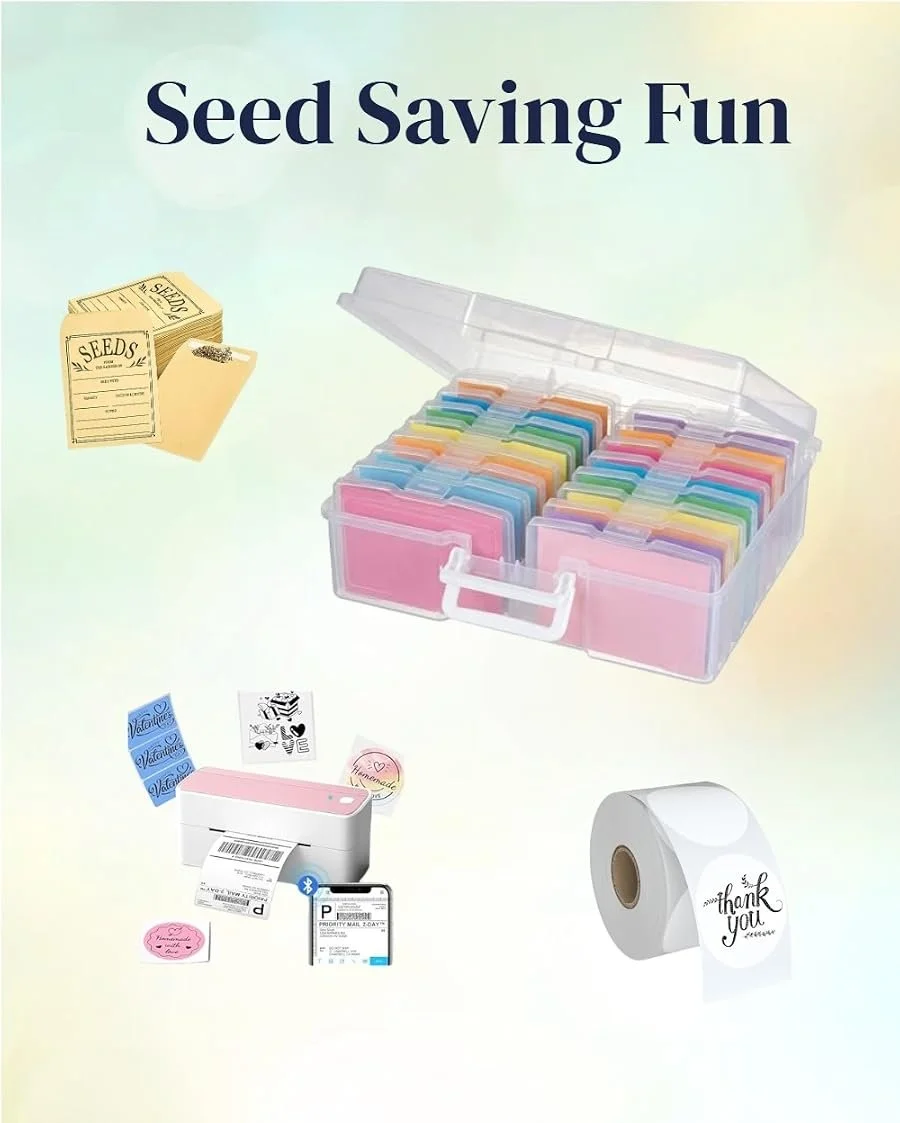
Find it here:
Seed saving doesn’t take many supplies - maybe a few envelopes and a pen - but here are some of the tools that I’ve found make it a little tidier and a lot more fun!
Photo Storage Box: https://amzn.to/4x5wEnq
Resealable Seed Envelopes: https://amzn.to/45XJ4S7
Bluetooth Thermal Label Printer: https://amzn.to/4xFUvK8
Round Thermal Printer Stickers: https://amzn.to/4fZ0XG4
Store Your Seeds Somewhere Cool and Dry
Seeds don't like heat, moisture or dramatic temperature swings.
Paper envelopes placed inside an airtight container can work well. Store the container somewhere cool, dark and dry.
Some gardeners use refrigeration for long-term seed storage, but if you do this, make sure the seeds are thoroughly dry and kept in an airtight container. And when you take them out, let the container come back to room temperature before opening it so condensation doesn't form on your seeds.
The goal is simple: keep your seeds dry and protected until you're ready to plant them.
You Don't Have to Save Everything
This is perhaps the most important thing I can tell you.
You do not need to become the person who saves every seed from every plant.
Start with one or two.
Save seeds from the tomato you couldn't stop eating. Save seeds from the zinnias that made your garden look spectacular. Save some beans from the plant that produced more than you knew what to do with.
Next spring, plant them.
Some will work beautifully. Some won't. Some plants may surprise you. And you'll learn something every time.
That's the fun of gardening.
Your Garden Can Keep Giving
There is something wonderfully circular about seed saving.
You plant a tiny seed in spring. You spend the summer tending it, harvesting from it and enjoying it. Then, just when the season is winding down, that same plant gives you the beginnings of next year's garden.
So as you're wandering around your garden in late summer, don't just look at what's ready to harvest.
Look for what's getting ready to become a seed.
Because the garden may already be planning next year without you.
And honestly, I think that's one of the coolest things about growing your own food and flowers.
Just a little heads up, garden friends 🌿 — if you purchase through one of my links, I may earn a small commission at no extra cost to you… which mostly goes toward funding my entirely reasonable plant addiction. 💚
My Amazon Storefront is open!
Check out my Top Products for Seed Saving: